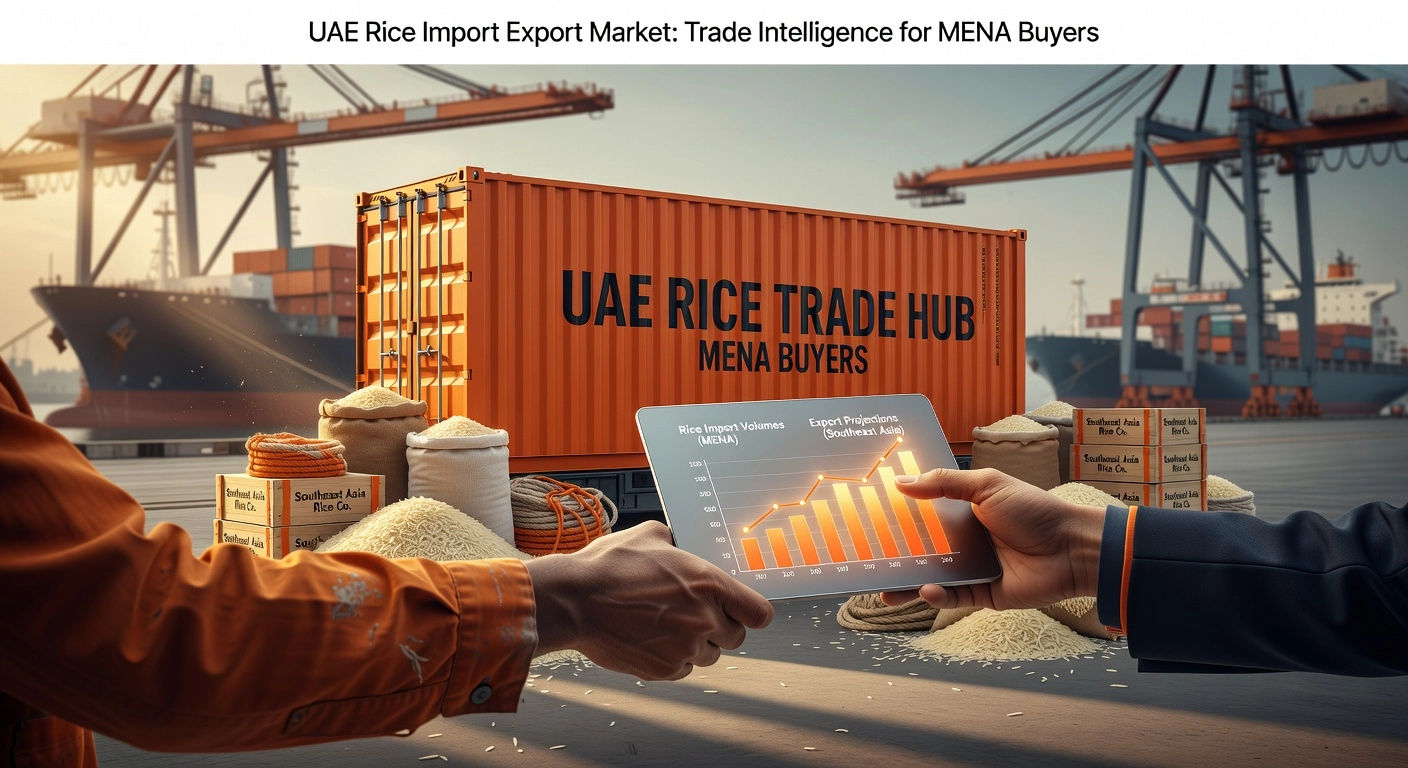
UAE Rice Import Export Market: Trade Intelligence for MENA Buyers

Every year, billions of dollars worth of rice moves through the UAE, positioning the country as one of the most strategically vital trade hubs in the entire MENA region. For businesses looking to understand the import export rice landscape, the UAE offers both remarkable opportunities and complex dynamics that demand careful analysis.

The UAE imports nearly all of its rice consumption needs, yet simultaneously acts as a major re-export gateway, funneling product from South and Southeast Asia into markets across the Middle East, Africa, and beyond. This dual role creates a distinctive trading environment shaped by shifting demand patterns, supplier relationships, regulatory frameworks, and logistics infrastructure.

This analysis breaks down the core intelligence MENA buyers need to navigate this market effectively. You will gain insight into the UAE's primary sourcing countries, key trade corridors, price influences, and the regulatory considerations that affect cross-border transactions. Whether you are an established importer refining your procurement strategy or a regional buyer evaluating the UAE as a sourcing channel, the data and context provided here will sharpen your competitive position in one of the world's most active rice trading markets.

UAE Rice Trade in 2026: Market Snapshot and Strategic Overview

The UAE's structural import dependency on rice makes it one of the most consequential grain trade corridors in the entire MENA region. With negligible domestic production capacity constrained by arid climate and less than 1% arable land coverage, the country sources virtually all of its rice requirements from international markets. UAE rice import data from USDA FAS confirms that imports reached approximately US$449 million in 2025, with USDA FAS forecasting 975,000 metric tons for marketing year 2025/26, a figure that reflects sustained consumption growth driven by expatriate population density, inbound tourism, and an expanding foodservice sector. Supplier concentration is extreme: India contributed roughly US$215 million (47.94%) of import value, Pakistan followed at US$189 million (42.21%), and Vietnam accounted for US$42 million (9.44%), with these three origins collectively representing approximately 99.6% of total import value. Milled rice under HS code 100630 dominated at around 96% of total value.

The broader regional opportunity frames this import activity within a compelling growth narrative. The Middle East rice market was valued at approximately US$14.17 billion in 2025 and is projected to reach US$18.8 billion by 2034, advancing at a CAGR of roughly 3.19%. Population growth across GCC nations, expanding hospitality infrastructure, and rising institutional procurement from hotels, airlines, and catering operations are the primary structural demand drivers. GCC rice demand is estimated to have risen between 12% and 18% in recent projections, reinforcing the region's importance as a premium import destination rather than a price-sensitive commodity market.

Beyond domestic consumption, the UAE operates as a strategic re-export pivot for the wider MENA corridor. Rice re-export values have been estimated between US$35 million and US$48.5 million, channeled through Jebel Ali and Khorfakkan ports, which together provide unmatched connectivity across GCC land networks and onward sea routes. This re-export function allows UAE-based traders to capture value-added margins while reinforcing regional food security architecture.

At the global level, USDA rice trade projections for 2026 place total exports at a record 62.1 million tons (milled basis), creating favorable supply conditions for regional importers. However, this abundance simultaneously intensifies price competition among origins, particularly in non-premium commodity segments. Procurement professionals and institutional buyers operating in the GCC corridor must therefore balance opportunistic sourcing against supplier concentration risk, freight volatility, and tightening food safety compliance requirements to maintain supply chain resilience in this rapidly evolving trade environment.

UAE Rice Import Landscape: Supplier Breakdown and Volume Analysis

The UAE's rice import architecture in 2025 reflects a market defined by extreme supplier concentration and a clear structural preference for processed grain formats. According to TradeInt trade intelligence data, India leads all source countries at US$215.17 million, representing 47.94% of total UAE rice import value, followed closely by Pakistan at US$189.49 million (42.21%) and Vietnam at US$42.36 million (9.44%). Together, these three nations account for approximately 99.6% of the UAE's total tracked rice import value, leaving marginal room for alternative origin countries such as Sri Lanka and Bangladesh, which collectively contribute less than 0.4% of total import value. This degree of origin concentration is exceptional even by regional standards, and it carries significant implications for procurement strategy, food security planning, and institutional supply chain design.

Product Classification and Format Dominance

The compositional breakdown by HS code reveals an equally decisive pattern at the product level. Milled rice classified under HS code 100630 accounted for approximately US$431.71 million, or roughly 96% of total UAE rice import value in 2025. This dominance reflects an entrenched institutional and consumer preference for ready-to-cook, fully processed formats, particularly long-grain Basmati and Jasmine varieties suited to the retail shelf, hotel kitchen, and catering environments that drive the bulk of demand. Broken rice under HS 100640 represented approximately 3.69% of import value, while brown rice under HS 100620 remained negligible at around 0.07%. For procurement teams and institutional buyers, this classification structure is not merely academic; it directly informs sourcing decisions, import duty calculations under the GCC Harmonized Tariff, and labelling requirements across destination markets.

Volume Forecasts and Demand Fundamentals

The USDA FAS Grain and Feed Annual report for the UAE, published in April 2026, forecasts rice imports at 975,000 metric tons for marketing year 2025/26, with some revised estimates placing the figure closer to 1.0 million metric tons when accounting for updated consumption projections. Demand is sustained by a resident population exceeding 10 million, of whom approximately 88% are expatriates with deep cultural ties to rice-centric diets originating from South Asia and Southeast Asia. Tourism amplifies this baseline further; Dubai alone recorded approximately 19.6 million visitors in 2025, generating substantial incremental demand through the hospitality and foodservice sectors. Government food security mandates, requiring importers and distributors to maintain strategic rice reserves of three to six months, add a further layer of structural volume to annual procurement cycles.

Supplier Trajectory and Concentration Risk

Year-on-year trade trajectories confirm that India and Pakistan have maintained sustained dominance in the premium aromatic segment, particularly in high-value Basmati varieties such as 1121 and Super Basmati that command pricing premiums across GCC retail and institutional channels. Vietnam has held a smaller but operationally consistent share, primarily serving budget-sensitive institutional buyers and Southeast Asian expatriate communities who prefer Jasmine and non-aromatic long-grain varieties. The stability of this three-supplier configuration masks a critical vulnerability: over 90% of UAE rice supply originates from just two countries. Any disruption to Indian or Pakistani export flows, whether caused by monsoon failures, sudden export policy restrictions, or significant rupee or Pakistani rupee depreciation affecting contract pricing, can rapidly translate into supply shortfalls and price volatility across the entire GCC downstream market. For operators engaged in bulk import export rice trading, maintaining supplier diversification protocols and real-time origin monitoring is therefore not optional; it is a foundational risk management discipline in this corridor.

MENA Rice Demand Drivers: Why GCC Growth Is Outpacing Global Averages

While global rice consumption growth remains constrained by supply-heavy conditions and modest per-capita gains across mature markets, the GCC region is operating on an entirely different trajectory. Demand across the UAE, Saudi Arabia, and Qatar is estimated to have climbed 12 to 18% in recent projections, a figure underpinned by structural forces that are largely insulated from the cyclical pressures affecting commodity-grade rice elsewhere. The Middle East rice market, valued at approximately US$14.17 billion in 2025, is projected to reach US$18.8 billion by 2034 at a CAGR of 3.19%, but sub-regional GCC momentum is tracking well ahead of that headline figure. Three converging forces are driving this outperformance: demographic expansion, a hospitality and foodservice boom, and predictable seasonal procurement cycles that reward operationally prepared suppliers.

Demographic Depth and the Tourism Demand Floor

The UAE's demand foundation is structurally different from almost any comparable rice-importing nation. With approximately 88% of its population comprising expatriates, a significant proportion of whom originate from South Asia, the country maintains a deeply embedded cultural preference for premium aromatic rice varieties. The UAE population is projected to reach 11.17 million in 2026 and climb toward 11.47 million by 2030, and this growth is being compounded by record tourism inflows. Dubai alone recorded 19.59 million international overnight visitors in 2025, a 4.6% year-on-year increase that directly inflates hospitality sector rice consumption. This combination of resident demand and high-volume visitor traffic creates a structural demand floor that insulates the market from short-term global price softness. Even as record global rice production levels drive downward pressure on commodity segments, the UAE's premium aromatic import volumes remain resilient, supported by a buyer base that prioritizes variety and quality over spot price.

Foodservice Procurement as an Institutional Growth Engine

The foodservice and hospitality channel has evolved into one of the most consequential demand drivers in the GCC rice market. Hotel groups, airline catering operations, and quick-service restaurant chains collectively require consistent, high-volume bulk supply of aromatic varieties including Basmati 1121 and long-grain jasmine rice. The GCC rice market for milled rice reached approximately 3.2 million metric tons in 2024, with institutional buyers representing a growing share of that volume. The GCC foodservice sector is projected to expand at CAGRs exceeding 12%, driven by mega-tourism projects, digital dining growth, and chain expansion, all of which translate into rising rice procurement contracts with increasingly sophisticated quality and traceability requirements.

Saudi Arabia's Vision 2030 agenda is a particularly significant accelerant. Giga-projects including NEOM, the Red Sea Project, and Qiddiya are integrating thousands of new hospitality seats and dining venues into the Saudi economy, creating institutional demand at a scale that requires pre-qualified, high-capacity suppliers. As Saudi Arabia imports virtually 100% of its rice requirements, the UAE continues to function as the primary distribution gateway for these supply chains, leveraging its port infrastructure at Jebel Ali and its established re-export network across the GCC.

Ramadan Cycles and the Infrastructure Premium

Seasonal demand spikes during Ramadan add a further layer of structural complexity to GCC procurement planning. Logistics data indicates that rice imports surge approximately 25% during Ramadan windows, creating predictable but operationally demanding procurement cycles. Retailers and institutional buyers routinely pre-position inventory weeks in advance, placing a direct premium on suppliers that maintain regional warehousing capacity and can guarantee fulfillment continuity. For trading firms without pre-positioned stock, Ramadan demand is largely inaccessible; for those with established GCC distribution infrastructure, it represents a high-margin, recurring revenue cycle that strengthens long-term buyer relationships and reinforces supplier credibility across the region.

Premium Basmati Rice: The High-Value Segment Outperforming Commodity Markets

Within the broader rice trade landscape already examined, premium Basmati occupies a structurally distinct position, one defined not by volume but by value. While commodity rice grades face mounting margin compression from record global output, aromatic long-grain Basmati varieties are charting an independent growth trajectory that institutional buyers and trade operators cannot afford to overlook.

A Growth Curve That Commodity Rice Cannot Match

Multiple independent analyst projections confirm that the global Basmati rice market is expanding at a pace that significantly outstrips the broader grain category. The global rice market typically advances at CAGRs in the 2.5 to 3.1 percent range, yet Basmati-specific market forecasts consistently cluster in the 7 to 12 percent range through 2030 to 2032. One research model values the Basmati segment at USD 14.72 billion in 2025, projecting expansion to USD 26.89 billion by 2032 at a 9 percent CAGR. Another estimates growth from USD 16.02 billion in 2025 to USD 37.94 billion by 2035, also at approximately 9 percent annually. The drivers behind this acceleration are structural rather than cyclical, including premiumization trends in foodservice, rising diaspora purchasing power in Western markets, health-oriented grain switching driven by Basmati's comparatively lower glycemic index, and deeply embedded cultural demand across MENA, South Asia, and the Gulf.

The 1121 Premium and MENA Price Architecture

In GCC retail and institutional channels, the price differential between premium aromatic Basmati and standard white rice is not marginal. Varieties such as 1121 XXL and PUSA Basmati command premiums of 30 to 60 percent over non-aromatic long-grain alternatives, with organic and certified-traceable variants adding further uplift. These differentials are sustained by measurable cooking performance attributes: 1121 Basmati grains typically elongate 1.5 to 2 times during cooking, releasing the compound 2-acetyl-1-pyrroline that produces the variety's signature aroma. For institutional buyers supplying hotels, catering operations, and large-format retail, these functional characteristics translate directly into menu positioning and consumer brand equity. The Middle East rice market, valued at USD 14.17 billion in 2025 and projected to reach USD 18.8 billion by 2034, is disproportionately anchored to aromatic varieties, reflecting the centrality of dishes like biryani and kabsa across Gulf culinary culture.

Price Resilience Against a Backdrop of Oversupply

The current global supply environment is applying sustained downward pressure on commodity rice grades. Record production from major exporters in South and Southeast Asia has compressed margins on non-differentiated 5 percent broken grades across multiple origin markets. Premium Basmati segments, by contrast, demonstrate meaningful price resilience. Institutional purchasing priorities, origin-specific cultural demand, and tighter supply dynamics for certified aromatic grades collectively insulate the segment from the broad oversupply dynamic. Even where external disruptions have introduced short-term softness in specific trade lanes, premium aromatic varieties recover faster and hold value longer than undifferentiated commodity grades.

GI Authentication as a Compliance and Commercial Imperative

For institutional buyers managing cross-border import compliance, Geographical Indication certification is no longer a secondary consideration. India registered Basmati as a protected GI in 2016 under APEDA, limiting authentic use to specific northwestern Indo-Gangetic growing regions. This legal framework creates a meaningful traceability requirement: buyers sourcing certified Basmati must verify varietal and origin documentation to satisfy import regulations, uphold consumer-facing brand promises, and avoid substitution risk. Traceability infrastructure, including varietal testing and authenticated certification chains, is increasingly factored into institutional procurement specifications as supply chain scrutiny intensifies across MENA trade corridors.

Souq Al Mena's Positioning Across the Aromatic Premium Spectrum

Direct sourcing relationships with producers in India and Pakistan are central to Souq Al Mena's ability to serve the full aromatic premium range. The company's procurement portfolio spans 1121 XXL, PUSA, and 1509 XXL Basmati varieties from Indian origins alongside Super Kernel, PK-386 fragrant, and D98 Basmati from Pakistani producers, complemented by long-grain, brown, white, and wild rice formats for buyers requiring category breadth. This dual-origin sourcing structure eliminates broker intermediaries, preserves certification integrity, and enables competitive institutional pricing across a segment where authentication and consistency are primary purchasing criteria. For regional buyers seeking reliable access to the high-value Basmati tier, this supply architecture represents a substantive operational advantage.

UAE as a Rice Re-Export Hub: The Jebel Ali and GCC Logistics Advantage

Beyond the import dynamics already examined, the UAE's commercial significance in global rice trade extends well past domestic consumption. The country functions as a sophisticated consolidation and redistribution node, with rice re-exports valued between US$35 million and US$48.5 million in recent trade data. Destination markets span GCC neighbors, East African corridors including Benin, Zimbabwe, and Mozambique, and broader MENA buyers who rely on Dubai as a reliable sourcing intermediary. This re-export role is underpinned by a single structural asset above all others: Jebel Ali Port, ranked consistently among the world's top ten container terminals, operating around the clock with connections to more than 140 ports via over 90 weekly shipping services. Rice arriving predominantly from India and Pakistan is consolidated within bonded facilities, subjected to value-added handling, and then redistributed across regional and intercontinental corridors with a speed and reliability that direct bilateral shipments from origin countries rarely match.

The GCC Customs Architecture as a Competitive Enabler

The unified GCC Customs Tariff framework, operational since 2003 and procedurally harmonized across subsequent years, removes one of the most persistent friction points in regional bulk commodity trade. Under this structure, a rice consignment cleared at Jebel Ali as the first point of GCC entry does not face repeated customs processing at subsequent internal borders when transiting to Saudi Arabia, Oman, Bahrain, or Kuwait. Digital clearance systems further compress administrative timelines, with bonded storage and duty suspension mechanisms available for goods held in transit or destined for re-export to third countries. For operators managing bulk agricultural volumes across multiple GCC markets simultaneously, this translates directly into faster cross-border fulfillment cycles and meaningfully lower total logistics costs per metric ton. Souq Al Mena's institutional B2B operations leverage precisely this framework, utilizing automated customs clearance channels across its 1 to 23-day GCC delivery network.

Khorfakkan's Strategic East Coast Advantage

While Jebel Ali anchors the UAE's western Gulf logistics dominance, Khorfakkan Port on the UAE's East Coast provides a complementary deep-water gateway that carries distinct strategic value for import export rice operators sourcing from Indian subcontinent origins. Positioned on the Gulf of Oman, Khorfakkan allows vessels arriving from India and Pakistan to discharge cargo without navigating the full length of the Arabian Gulf or transiting the Strait of Hormuz chokepoint. Dedicated services including weekly Karachi-Khorfakkan shuttle routes and integrated land-bridge connections to Jebel Ali have reinforced this port's role in maintaining supply chain resilience. During periods of regional geopolitical disruption, Khorfakkan has functioned as a critical alternative gateway, ensuring that rice supply continuity to GCC institutional buyers is preserved even when primary routing faces delays. The combination of both East and West Coast infrastructure gives UAE-based rice traders a geographic redundancy that competitors relying on single-port access cannot replicate.

Free Zone Economics and Value-Added Services

Dubai's free zone ecosystem, including the Jebel Ali Free Zone, compounds these logistical advantages with a compelling cost structure. Rice imported for re-export benefits from zero UAE import duty within free zones, zero corporate tax on qualifying free zone income, and zero-rated VAT treatment on re-exported goods. Under the India-UAE Comprehensive Economic Partnership Agreement, tariff elimination covering the majority of Indian tariff lines has further reduced landed costs on Basmati and non-Basmati imports alike. These structural cost advantages lower the total landed cost for regional distributors and institutional buyers sourcing through UAE intermediaries compared to managing direct country-of-origin procurement across multiple destination markets. Institutional buyers additionally gain access to consolidated customs documentation, local quality inspection aligned with UAE Ministry standards, professional sorting, grading, and repackaging services, and flexible lot sizing that direct procurement from Indian or Pakistani mills cannot efficiently provide. For operators like Souq Al Mena, which sources directly from India and Pakistan and routes bulk volumes through Jebel Ali and Khorfakkan, this infrastructure stack transforms physical geography into measurable commercial advantage across the full MENA institutional supply chain.

Sustainability and Traceability: The Emerging Procurement Standards in Rice Trade

The environmental footprint of rice cultivation has moved from a peripheral concern to a central factor in international procurement decisions. Recent research from the University of Maryland confirms that global greenhouse gas emissions from rice paddies have roughly doubled since 1961, now reaching approximately 1.1 billion tons of CO₂ equivalent annually. Methane generated under the anaerobic conditions of flooded paddy fields accounts for an estimated 90 to 94 percent of those field-level emissions, making rice responsible for approximately 10 percent of all agricultural GHG output. For institutional buyers across the GCC who are increasingly subject to ESG reporting expectations and public procurement mandates, this emissions profile is no longer acceptable without corresponding certification. The direct consequence is a rapidly expanding market for cultivation credentials that verify lower-emission or water-efficient growing methods, including frameworks such as the Sustainable Rice Platform, which provides chain-of-custody verification, resource-efficiency benchmarks, and documented reductions in both methane output and water application.

The Shifting Procurement Criteria of GCC Institutional Buyers

Foodservice operators, government procurement agencies, and retail chains across the UAE, Saudi Arabia, and Kuwait are embedding sustainability criteria into supplier qualification in ways that were largely absent from regional trade frameworks just three to five years ago. This shift is not driven by regulatory mandate alone; it reflects a convergence of consumer expectations, national food security policy objectives, and the extension of ESG practices from energy and infrastructure sectors into agri-food supply chains. GCC countries import virtually all of the rice they consume, creating acute awareness among policymakers of how procurement decisions affect long-term supply resilience. Sustainability requirements are therefore framed not just as environmental preferences but as risk-management tools, with supplier qualification increasingly demanding documentation of origin, cultivation method, pesticide residue testing results, and water consumption per kilogram of output. Certifications such as GlobalG.A.P. and Rainforest Alliance, alongside SRP verification, are becoming standard components of supplier due diligence packages in competitive tender processes across the region.

Water Efficiency as a Policy-Aligned Sourcing Imperative

The intersection of rice procurement and water security carries particular strategic weight in hyper-arid MENA markets. Agriculture accounts for a disproportionate share of water consumption across the Gulf, and national strategies including Saudi Arabia's Vision 2030 water framework and UAE water-efficiency initiatives explicitly prioritize the import of lower-water-footprint commodities as a mechanism for protecting domestic aquifer reserves. Sourcing rice produced under water-efficient cultivation systems, such as Alternate Wetting and Drying protocols that demonstrably cut on-farm water use by 30 to 40 percent without yield penalties, directly aligns with these policy frameworks. Buyers who can document the water footprint of their rice supply chains are therefore better positioned in institutional and government channels where policy alignment is a qualifying criterion, not merely a differentiating factor.

Souq Al Mena's Dual-Vertical Credibility

Souq Al Mena occupies a structurally advantageous position in this evolving landscape. The company's institutional B2B operations span both premium rice trading, sourcing Basmati and specialty varieties directly from origin markets in India and Pakistan, and smart irrigation infrastructure, supplying commercial drip lines and cloud-connected water management systems engineered to reduce consumption by up to 40 percent in dry climates. This dual-vertical model is not incidental; it creates an operational foundation for authentic advocacy of traceable, water-efficient rice supply chains that most standalone traders cannot replicate. A supplier with direct experience deploying precision irrigation technology across MENA agriculture understands the measurable relationship between cultivation technique and water draw-down in ways that inform smarter sourcing choices and more credible sustainability documentation. As procurement standards tighten and buyers require increasingly granular evidence of supply chain integrity, this combination of commodity trading expertise and water management infrastructure positions Souq Al Mena to serve the segment of the market where compliance rigor, product quality, and sustainability credibility must simultaneously align.

Supply Chain Risk Management: Concentration, Diversification, and Direct Sourcing

The supplier concentration embedded in UAE rice import flows represents one of the most consequential structural vulnerabilities in the region's food supply chain. India and Pakistan collectively supplied approximately 90 percent of UAE rice import value in 2025, with India contributing US$215.17 million (47.94%) and Pakistan US$189.49 million (42.21%) of a total import base approaching US$449 million. For procurement managers operating at institutional scale, this arithmetic creates a straightforward but serious risk equation: disruption in either origin country, whether triggered by weather events, port congestion, or government policy, propagates directly into UAE supply availability with limited buffer from alternative origins. Vietnam, the third-largest supplier at US$42.36 million (9.44%), currently functions more as a supplementary source than a genuine strategic alternative for premium Basmati-reliant buyers, which means the effective diversification options available to most UAE importers remain narrower than raw import data might initially suggest.

The policy risk dimension of this concentration became acutely visible during India's July 2023 ban on non-Basmati white rice exports, a unilateral measure imposed with limited advance notice to manage domestic price pressures. The restriction contributed to global price spikes and forced UAE importers reliant on Indian non-Basmati grades to absorb higher costs or scramble for substitute origins, neither of which represented a cost-neutral outcome. The ban underwent phased reversal through late 2024, with a minimum export price of US$490 per metric ton introduced before restrictions were largely removed by October 2024. However, registration and compliance requirements under APEDA continued into 2025, illustrating that "lifted" rarely means fully normalized. The episode underscores a fundamental procurement principle: when a single origin controls nearly half of a country's import value for a staple commodity, that origin's domestic policy calendar becomes an operational variable that supply chain teams must monitor continuously, not episodically.

The Direct Sourcing Advantage in Institutional Rice Procurement

Against this backdrop, the structural shift toward direct factory and mill sourcing relationships carries operational significance well beyond the commonly cited cost argument. Eliminating multi-tier broker arrangements can reduce intermediary markups by meaningful margins, but the less-quantified benefits often deliver greater long-term value. Direct mill relationships compress the communication chain when quality discrepancies arise, enabling faster specification adjustments before an entire shipment is committed to transit. They also create the foundation for meaningful supply chain auditing, an increasingly non-negotiable requirement for institutional buyers in hospitality, foodservice, and government procurement who face growing internal and regulatory pressure to document origin integrity. Souq Al Mena's direct sourcing relationships with mills in India and Pakistan reflect this logic, positioning the operation to offer institutional buyers both competitive pricing and the transparency infrastructure that broker-mediated supply chains structurally cannot provide.

Quality control at origin remains one of the most consequential and least consistently documented differentiators across UAE rice trading operations. The critical parameters include moisture content verification (ideally maintained between 12 and 14 percent to prevent fungal development during sea freight transit), grain length and uniformity grading, broken grain percentage inspection (with premium grades typically specifying below 5 percent broken), and pesticide and aflatoxin residue screening against UAE and destination-market tolerance limits. Deviations from contracted specifications in any of these parameters trigger disputes, commercial discounts, or outright port rejections, all of which erode margins and damage buyer relationships. Operations that invest in pre-shipment third-party inspection, supplier-level lab testing, and documented audit protocols occupy a measurably stronger commercial position in the premium retail and HoReCa segments compared to those relying solely on mill-issued certificates.

The final dimension of supply chain modernization gaining traction among forward-looking UAE rice suppliers involves digital B2B infrastructure. Order tracking portals, specification management systems, and digital documentation workflows remain underdeployed across much of the UAE rice trading market, which still operates substantially on relationship networks, physical inspections, and conventional paper documentation. This gap is becoming a tangible competitive liability as institutional buyers prioritize suppliers offering real-time visibility and reduced administrative friction. GCC-wide digital trade initiatives are accelerating adoption timelines, and suppliers who build these capabilities now will be materially better positioned as procurement standards formalize across the region's growing foodservice and retail channels.

Regulatory Compliance and Import Standards for Rice in the GCC

The regulatory architecture governing rice imports across the GCC represents one of the most layered compliance environments in global agricultural trade, and understanding its mechanics is essential for any institutional buyer or exporter operating in the region.

UAE Import Standards Under ESMA

Rice entering the UAE must satisfy standards administered by the Emirates Authority for Standardization and Metrology, now coordinated under the Ministry of Industry and Advanced Technology. These requirements span three critical dimensions. First, labeling must be bilingual, with Arabic as the primary language, and must include the product name, country of origin, net weight in metric units, production and expiry dates, batch or lot numbers, storage instructions, and full manufacturer or importer details. Second, all shipments must comply with maximum residue limits for pesticides and contaminants, including heavy metals such as arsenic, which has drawn increased regulatory attention in rice imports specifically. Laboratory test reports verifying compliance are required at the point of entry, and 2026 updates have strengthened batch-level traceability requirements, moving toward blockchain-backed documentation via platforms like the ZAD portal. Third, mandatory country-of-origin declarations on all commercial shipments are non-negotiable, serving customs, tariff assessment, and consumer protection functions simultaneously.

Saudi Arabia's SABER Documentation Layer

Saudi Arabia's SABER platform introduces a structured pre-shipment conformity requirement that applies directly to rice imports. Exporters and re-exporters must obtain a Product Certificate of Conformity, valid for twelve months and issued through approved conformity assessment bodies, before a Shipment Certificate of Conformity can be generated for each individual consignment. The SFDA enforces quality parameters covering moisture content, purity thresholds, labeling in Arabic, and food safety standards. Failure to secure these certificates in advance results in customs holds, rejection, or financial penalties at major entry points. For UAE-based re-exporters redistributing to Saudi Arabia, this requirement means the SABER documentation layer must be built into the shipment planning timeline, not treated as a post-loading task.

Harmonization, Re-Export, and Origin Chain Requirements

The GCC Common Customs Tariff simplifies intra-GCC redistribution by providing a unified tariff framework, but it does not dissolve origin-specific documentation obligations. UAE re-exporters must maintain unbroken origin documentation chains, including certificates of origin and traceability records, for every parcel redistributed across GCC borders. Downstream compliance in Saudi Arabia, Kuwait, or Bahrain requires these documents to be complete and verifiable regardless of where in the trade chain they were compiled.

Halal Certification and Value-Added Rice Products

Plain rice grain carries a low inherent cross-contamination risk and is not universally subject to mandatory Halal certification across the GCC. However, this position shifts materially for flavored, processed, or mixed rice products, including seasoned varieties, rice blends, and ready-to-cook formats, where Halal compliance under GSO 2055-1 standards becomes a baseline procurement requirement across retail and foodservice channels. Institutional buyers supplying hotel groups, airline catering, and hospital food programs routinely mandate Halal certification regardless of whether regulations technically require it.

Souq Al Mena's Compliance Infrastructure

Sourcing rice through a UAE-established trading operation like Souq Al Mena reduces the compliance overhead that would otherwise fall entirely on the institutional buyer. The company's framework, built around GCC harmonized customs procedures and automated clearance channels, absorbs the documentation burden associated with ESMA labeling verification, origin chain maintenance, and pre-clearance preparation for Saudi SABER submissions. For buyers managing direct procurement from India or Pakistan independently, replicating that infrastructure requires dedicated compliance resources across multiple regulatory jurisdictions. By consolidating these functions within a UAE-based operation with established clearance channels through Jebel Ali and Khorfakkan, Souq Al Mena enables institutional clients to focus procurement decisions on quality and pricing rather than regulatory navigation.

How Souq Al Mena Serves Institutional Rice Buyers in UAE and MENA

For institutional buyers operating in the UAE and broader MENA region, the critical challenge in rice procurement has never been simply finding a supplier. It has been finding a supplier who combines origin-level quality control, competitive pricing freed from broker intermediaries, and reliable regional logistics into a single accountable relationship. Souq Al Mena, operating from its UAE base through souq-mena.com, is structured precisely to meet that specification.

Direct Sourcing from India and Pakistan

Souq Al Mena maintains direct sourcing relationships with producers in India and Pakistan, the two countries that together account for approximately 90% of UAE rice import value in 2025, with India contributing US$215.17 million (47.94% share) and Pakistan contributing US$189.49 million (42.21% share) according to TradeInt data. By bypassing broker layers that are endemic to fragmented commodity markets, the company delivers competitive wholesale pricing across its full variety portfolio, which spans premium 1121 XXL Basmati, Pusa Basmati, Extra Long Basmati Creamy Sella, Super Kernel Basmati, Irri-6, long-grain, brown, white, and wild rice categories. Each variety is supported by verifiable origin documentation, a procurement requirement that institutional buyers, government procurement offices, and retail chains increasingly treat as non-negotiable rather than optional. In a UAE rice import market forecasted to reach 975,000 metric tons for marketing year 2025/26, direct-sourcing infrastructure is not a marginal advantage; it is a structural one.

Dual-Model Intelligence Advantage

What distinguishes Souq Al Mena from purely commodity-focused trading operations is its dual B2B and B2C architecture. The company's consumer-facing e-commerce operations on souq-mena.com generate continuous real-time demand intelligence, tracking which rice varieties are gaining traction across retail and foodservice channels before those shifts fully materialize in bulk procurement cycles. Institutional procurement clients benefit from this layered market awareness directly. When premium Basmati demand in GCC foodservice channels accelerates, as current projections showing 12 to 18% GCC demand growth suggest it will, Souq Al Mena's trading desk is positioned to anticipate volume requirements and adjust procurement ahead of price movements rather than reacting to them after the fact.

GCC Logistics and Fulfillment Infrastructure

Sea freight consolidation through Jebel Ali and Khorfakkan, the UAE's two primary deep-water port facilities, enables Souq Al Mena to manage cost-efficient bulk inbound flows from South Asian origins while maintaining the regional distribution agility that GCC institutional buyers require. Combined with land distribution networks spanning the UAE, KSA, Oman, Bahrain, and Kuwait, the company supports fulfillment windows of 1 to 23 days for regional bulk orders across the GCC corridor. This logistics architecture aligns directly with the UAE's established role as a rice re-export hub, responsible for approximately 174,000 tons of regional rice re-exports and US$35 to 48.5 million in re-export value in recent data periods.

Transparency, Sustainability, and Engagement

As sustainability and traceability emerge as formal procurement criteria across GCC institutional and government channels, Souq Al Mena's supply chain transparency and quality control protocols at origin position it above competitors who engage primarily on price without demonstrating certified cultivation standards or traceable supply chains. The broader Middle East rice market, valued at US$14.17 billion in 2025 and projected to reach US$18.8 billion by 2034, is moving toward a procurement environment where documentation quality is as commercially relevant as unit price.

Institutional buyers, foodservice operators, retail chains, and government procurement offices seeking a UAE-based rice trading partner can engage Souq Al Mena's B2B desk directly through souq-mena.com for variety specifications, volume pricing tiers, and full supply chain documentation packages.

Key Takeaways for Rice Importers and Exporters Operating in MENA

The UAE rice import market, valued at approximately US$449 million and forecast to reach 975,000 metric tons in 2025/26, is not a commodity market in decline. It is a structurally expanding corridor driven by population growth, foodservice expansion, and deepening GCC integration. For institutional suppliers and distributors with the right positioning, this represents one of the most durable demand environments in global agricultural trade.

Premium Basmati segments growing at 7 to 12 percent CAGR provide critical margin insulation against the downward price pressure affecting commodity rice grades. Trading operations serving MENA retail and foodservice channels should treat variety portfolio diversification as a core strategic priority rather than an optional upgrade.

Three structural forces will define UAE rice trade over the next five years: supplier concentration risk from India and Pakistan origins, rising sustainability and traceability procurement criteria, and accelerating digital B2B expectations from institutional buyers. Organizations that address all three simultaneously will hold a durable competitive advantage.

Dubai's re-export infrastructure via Jebel Ali, combined with GCC customs harmonization and proven logistics corridors, makes UAE-based operations the logical distribution hub for MENA-wide institutional rice supply. Procurement managers seeking bulk rice supply with verified origin documentation, consistent quality control, and GCC-wide logistics coverage should initiate supplier qualification conversations with UAE-based direct sourcing operations. Souq Al Mena, operating through souq-mena.com, combines direct factory sourcing from India and Pakistan with integrated GCC compliance capabilities to meet precisely these institutional requirements.

Conclusion

The UAE rice trade market presents significant opportunities for informed MENA buyers who understand its core dynamics. Four critical takeaways define this landscape: the UAE functions as both importer and re-export gateway, supplier relationships with South and Southeast Asian partners drive pricing leverage, logistics infrastructure shapes competitive positioning, and regulatory compliance remains non-negotiable for smooth cross-border operations.

Success in this market belongs to buyers who treat trade intelligence as a continuous investment rather than a one-time exercise. Pricing shifts, supplier capacity changes, and evolving import regulations can reshape your margins overnight.

Start by auditing your current supplier portfolio against the sourcing corridors outlined here. Then build a monitoring framework that tracks price signals and policy changes in real time. The buyers who move with precision and preparation will capture the greatest value this market has to offer.

Smart Farming Drip Irrigation Systems for MENA Agriculture

Water scarcity is not a future problem for the MENA region. It is an immediate crisis reshaping how governments, agronomists, and farmers think about food production. With less than 1% of the world's renewable freshwater resources serving nearly 6% of the global population, the pressure to produce more with less has never been greater.

This is precisely where the smart farming drip irrigation system has emerged as a transformative solution. By combining precision water delivery with sensor technology, automation, and real-time data analytics, these systems are redefining agricultural efficiency across some of the world's most arid landscapes.

In this analysis, we will examine how smart drip irrigation technology is being adopted across MENA agriculture, what measurable outcomes farmers and agribusinesses are actually achieving, and which technical and economic factors determine successful implementation. We will also address the challenges that remain, including infrastructure gaps, upfront costs, and the learning curve for smallholder farmers. Whether you are an agricultural professional, an investor, or a policy advisor, this breakdown will give you a grounded, evidence-based perspective on where this technology stands today.

The Water Crisis Driving Smart Irrigation Demand Across MENA

The MENA region holds less than 1% of global renewable freshwater resources while simultaneously supporting approximately 6% of the world's population and rapidly expanding agricultural sectors across the UAE, Kingdom of Saudi Arabia, and Oman. Gulf states routinely import more than 80% of their food supply, yet national ambitions to reduce this dependency are driving intensive domestic cultivation programs in some of the planet's most water-stressed environments. This structural contradiction, extreme aridity paired with growing agricultural ambition, has made smart farming drip irrigation systems not a luxury upgrade but a fundamental operational necessity for any commercially viable agricultural enterprise in the region.

The inefficiency of conventional irrigation methods compounds this challenge severely. Traditional flood and sprinkler irrigation systems lose between 40% and 60% of applied water to evaporation, surface runoff, and deep percolation before it ever reaches the root zone. In hyper-arid climates where summer temperatures routinely exceed 40°C, sprinkler systems suffer additional evaporative losses during peak daylight hours, rendering them particularly wasteful. Drip and micro-irrigation systems, by contrast, achieve application efficiencies of 90% to 95% by delivering water directly to the plant root zone. Research tracking MENA drip irrigation adoption confirms documented water savings of up to 40% in commercial deployments, a figure that carries enormous strategic weight in a region where agriculture accounts for 70% to 90% of total water withdrawals.

Government policy has decisively accelerated this transition. Saudi Vision 2030 places water security at the core of national infrastructure strategy, with the Saudi Water Authority administering subsidies of up to 75% through the Agricultural Development Fund for farms adopting modern precision irrigation equipment. The UAE Water Security Strategy 2036 and the "We the UAE 2031" vision further institutionalize this priority, tying agricultural funding approvals and compliance frameworks directly to sustainable water use practices. For institutional buyers, precision water management has shifted from a cost optimization consideration to a formal compliance and funding eligibility requirement.

The commercial opportunity this crisis is generating is substantial and accelerating. The MENA drip irrigation systems market is estimated at approximately USD 424 million in 2026 and is projected to reach USD 1.4 billion by 2033, representing an 18.6% compound annual growth rate. This expansion significantly outpaces global drip irrigation market growth averages, which typically range between 9% and 11% CAGR, underscoring how urgency, policy support, and capital investment are combining to produce an outsized regional demand curve that suppliers and agricultural operators must position themselves to meet.

What Is a Smart Farming Drip Irrigation System

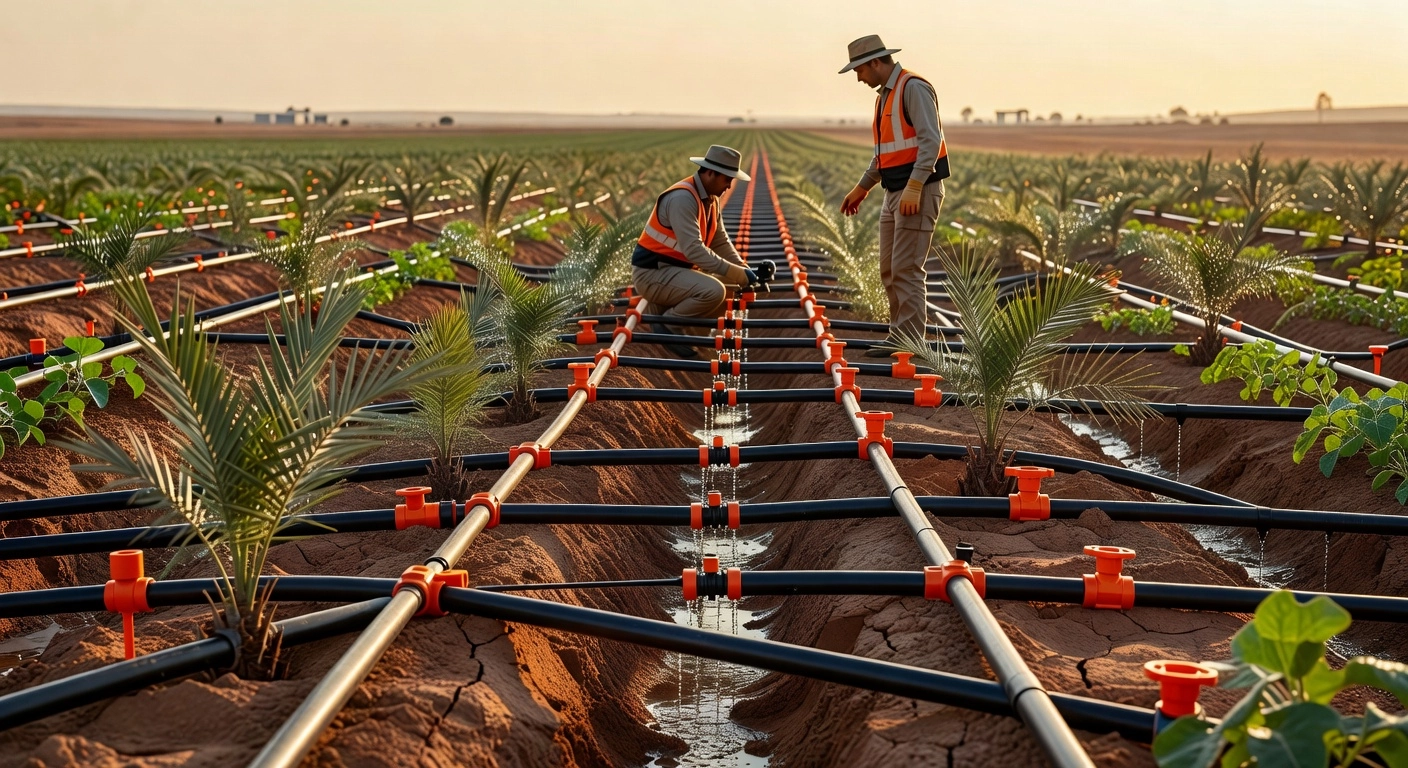
A smart farming drip irrigation system represents the convergence of two distinct technological domains: the proven physical infrastructure of micro-drip water delivery and the real-time intelligence of connected agricultural technology. At its core, the system integrates IoT soil moisture sensors, AI-driven scheduling controllers, live weather data feeds, and cloud connectivity to create a fully automated, data-optimized water management architecture. Rather than operating on fixed timers or manual operator decisions, these systems continuously read actual field conditions and make dynamic adjustments that align water delivery precisely with crop demand at any given moment.

The Physical Infrastructure Layer

The hardware foundation of a commercial smart drip system is engineered for durability and precision at agricultural scale. Drip emitters and inline drippers deliver water in slow, targeted volumes directly to plant root zones, eliminating the runoff and evaporation losses that plague traditional overhead or flood irrigation. UV-resistant lateral piping is a critical specification for MENA deployments, where prolonged exposure to intense solar radiation and extreme heat degrades standard tubing rapidly, compromising system integrity over multi-season operations. Supporting this network are pressure regulators that maintain consistent flow rates across long field runs, and filtration units that prevent mineral deposits and organic matter from clogging emitter orifices. Mainline supply infrastructure ties these components together at commercial scale, ensuring uniform pressure distribution across large plot areas.

The Intelligence and Automation Layer

The distinguishing capability of a smart system lies in its sensing and control architecture. Soil moisture and temperature sensors are placed directly at root zones, feeding continuous data to automated valve controllers that open and close irrigation circuits based on pre-set thresholds or AI-generated recommendations. Edge computing units installed at field level process sensor inputs locally, reducing latency in automated responses without depending on uninterrupted cloud connectivity. According to peer-reviewed research published in Scientific Reports, this layered sensor-to-controller architecture produces measurably superior water-use efficiency compared to schedule-based systems, with AI models further refining performance by incorporating evapotranspiration rates and forecast weather data. Cloud dashboards accessible via desktop or mobile interfaces give operations managers full visibility into system status, scheduled cycles, and consumption analytics from any location.

Solar-Powered Variants and Off-Grid Adoption

In off-grid MENA agricultural zones where grid electricity is expensive or unavailable, solar-powered drip systems are rapidly gaining adoption. ICARDA research focused on ultra-low-energy drip irrigation for water-scarce regions demonstrates up to 50% energy reduction compared to conventional grid-powered pump-and-distribute systems. This energy efficiency improvement directly reduces operational costs for smallholders and commercial operators alike, making precision irrigation economically viable in contexts where it was previously impractical. Solar integration also aligns with regional sustainability mandates across the UAE and Saudi Arabia, where national programs are actively incentivizing low-carbon agricultural infrastructure.

Multi-Farm Cloud Monitoring at Scale

Cloud connectivity elevates smart drip irrigation from a single-field tool to an enterprise-scale farm management platform. Operations managers overseeing geographically distributed plots can monitor real-time water consumption, system pressure readings, flow rates, and scheduled irrigation cycles from a unified dashboard. Automated alerts flag anomalies such as pressure drops, potential line failures, or sensor threshold breaches before they escalate into crop-damaging events. This centralized visibility is particularly valuable for institutional agricultural operators across the MENA region, where farms may be separated by significant distances but managed by a single operations team. Souq Al Mena's cloud-connected water management systems, supplied through its institutional B2B irrigation desk, are engineered specifically to support this multi-farm monitoring capability in hyper-arid commercial environments.

Smart Drip Irrigation vs. Traditional Methods: A Practical Comparison

Traditional flood irrigation remains the most widely practiced method across MENA agricultural holdings, yet its operational inefficiencies are difficult to overstate. Water applied across entire field surfaces through gravity-fed channels or furrow systems achieves effective delivery efficiencies of only 40 to 60 percent, meaning nearly half of every applied volume disappears through deep percolation below the root zone, surface runoff, or direct evaporation. Repeated irrigation cycles without adequate drainage management progressively mobilize dissolved salts, elevating root-zone salinity and sodicity over multi-year periods in ways that degrade soil structure and require costly remediation. Uneven water distribution across varying topographies and soil textures creates inconsistent crop hydration, with plants at field margins or elevated positions experiencing moisture stress while low-lying zones receive excess. The cumulative result is suppressed yield consistency, accelerating groundwater depletion, and long-term productivity decline across some of the world's most water-stressed farmland.

Conventional drip systems without smart controls represent a meaningful step forward in delivery efficiency, achieving application rates above 90 percent by targeting water directly to root zones. However, fixed-timer or manual-schedule operation introduces a different category of inefficiency. A system programmed to irrigate at set intervals has no mechanism to account for a sudden temperature drop, an unexpected rainfall event, or a mid-afternoon heat spike exceeding forecasted conditions. The practical consequence is over-irrigation during cooler or wetter periods, which leaches nutrients, risks waterlogging, and wastes treated water; and under-irrigation during peak heat events, which induces plant stress and directly suppresses yield at precisely the moments crops need optimal hydration. According to comparative analysis of drip versus traditional irrigation systems, this scheduling mismatch consistently limits the water-use efficiency gains that the physical drip infrastructure is otherwise capable of delivering.

Smart farming drip irrigation systems close this gap by integrating soil moisture sensors, real-time weather data feeds, and AI-driven controllers that dynamically recalculate scheduling every few minutes rather than every few days. MENA smart irrigation market research documents water application reductions of 30 to 50 percent versus conventional drip lines in regional field deployments, with specific cases including a 35 percent reduction in Saudi date palm cultivation and a documented 40 percent saving in Dubai's Sustainable City implementation. These figures are not theoretical; they reflect compounding gains from eliminating over-irrigation events, reducing evaporation during non-optimal application windows, and maintaining precise volumetric soil moisture targets throughout growing cycles.

The labor dimension of this comparison carries significant operational weight. Flood and conventional drip systems both demand frequent manual field checks, valve adjustments, and schedule modifications that scale in time and cost as farm area grows. Smart controllers shift this workload to exception-based management, where agronomists monitor dashboards remotely and intervene only when sensor alerts flag anomalies such as pressure drops, emitter blockages, or unexpected moisture deficits. IoT and AI-driven systems consistently reduce operational labor by 20 to 30 percent in commercial agricultural contexts, according to farm irrigation technology assessments, freeing resources for higher-value crop management activities.

Total cost of ownership analysis ultimately determines adoption decisions for commercial operators. Smart system upfront costs, including sensors, controllers, cloud connectivity, and installation, typically range from USD 2,000 to USD 10,000 per hectare depending on configuration and scale. These figures are substantially higher than flood infrastructure. However, compounded savings across water consumption, energy for pumping, fertilizer application, and labor begin generating positive returns within three to five years for operations exceeding two to three hectares. In GCC countries, where water tariff trajectories are rising in direct response to groundwater depletion pressures and national sustainability mandates, the payback window is shortening further. Sovereign subsidy programs reaching up to 70 percent of installation costs in some jurisdictions, combined with Vision 2030-aligned agritech investment frameworks, are materially accelerating the financial case for smart drip adoption across commercial-scale MENA agriculture.

Quantified ROI: Water, Energy, and Labor Savings in MENA Operations

The financial case for deploying a smart farming drip irrigation system across MENA operations is no longer theoretical. Documented field performance data from Dubai, peer-reviewed ICARDA research, and regional case studies now provide commercial growers and institutional buyers with concrete ROI benchmarks across four measurable dimensions: water, energy, labor, and yield.

Water Cost Reductions Reaching 40% in UAE Deployments

Smart irrigation deployments in Dubai have achieved documented water savings of up to 40% relative to baseline consumption, a figure with direct financial implications for farms operating under metered municipal allocations or licensed groundwater extraction quotas. At the commercial scale, drip emitters achieving 90 to 95% application efficiency eliminate the evaporative and runoff losses inherent to flood and sprinkler methods. For farms procuring water at regulated UAE tariff rates, a 40% volume reduction translates proportionally into procurement cost savings that compound annually across the irrigation season.

Energy Efficiency Gains Validated by ICARDA Field Research

ICARDA's Ultra-Low Energy Drip Irrigation program, conducted specifically across MENA arid-zone field sites including the UAE, Kuwait, Qatar, Morocco, and Jordan, demonstrated hydraulic energy reductions of 46 to 69% per unit of water delivered through ultra-low-pressure emitter configurations activated at approximately 0.15 bar. When paired with solar-powered pump units, total energy cost reductions of approximately 50% are achievable relative to conventional diesel or grid-powered pumped systems. This energy savings dimension is particularly significant in MENA markets where pumping costs represent a substantial share of operational expenditure, especially for groundwater-dependent farms drawing from deeper aquifer levels.

Labor Productivity Gains Through IoT Automation

IoT-enabled irrigation platforms consistently produce labor cost reductions of 20 to 30% across commercial deployments. Automated scheduling algorithms, remote valve actuation, and real-time anomaly alerts eliminate the need for continuous manual field monitoring, reduce on-site staffing requirements, and allow farm managers to supervise larger irrigated areas with the same personnel resources. In larger operations, this includes measurable reductions in staff hours dedicated to valve operation, soil scouting, and emergency leak response.

Fertigation Integration and Yield Outcomes

Precision root-zone water delivery directly reduces crop stress and improves moisture uniformity across the growing canopy. When fertigation channels are integrated into smart drip lines, nutrient delivery becomes synchronized with actual plant demand, reducing fertilizer waste, limiting soil amendment leaching, and improving nutrient uptake efficiency. Field studies across MENA precision agriculture trials report yield improvements of 20 to 50% versus conventional irrigation methods, with some IoT-assisted deployments recording gains approaching 43% alongside simultaneous water reductions.

Market Growth Confirming Commercial ROI Recognition

The global irrigation automation market is expanding at approximately 16% CAGR, a trajectory that directly reflects accelerating commercial farm recognition that automation payback periods, typically two to five years depending on water and energy pricing, fit within standard agricultural capital investment cycles. Souq Al Mena's cloud-connected water management systems and commercial drip infrastructure are positioned to serve this growing regional demand, supplying the hardware layer that makes quantified efficiency gains achievable for MENA institutional buyers and commercial growers.

MENA Market Momentum and Government Policy Alignment

The market data surrounding smart farming drip irrigation systems in MENA tells a compelling story of structural, policy-driven expansion rather than speculative growth. The MENA drip irrigation systems market is valued at approximately USD 424 million in 2026 and is projected to reach USD 1.4 billion by 2033, compounding at an 18.6% CAGR over that period. That trajectory significantly outpaces global averages, reflecting a region where water scarcity is not an abstract risk but an immediate operational constraint shaping every agricultural investment decision. The agriculture segment anchors this growth, commanding approximately 50% of total market share, as large-scale commercial farms cultivating cereals, vegetables, and cash crops across Saudi Arabia, the UAE, and Egypt convert to drip delivery systems that reduce evaporation losses and maximize root-zone efficiency on sandy, arid soils.

The broader MEA smart irrigation market reinforces this trajectory. Valued at approximately USD 114 million in 2025, the segment is forecast to reach USD 465 million by 2034 at a 16.9% CAGR, according to Market Data Forecast's Middle East and Africa smart irrigation analysis. This parallel growth signal is significant; it confirms that infrastructure investment is expanding beyond physical hardware to include IoT controllers, cloud platforms, and sensor networks, the layered architecture that transforms conventional drip lines into fully integrated smart farming systems.

Government policy is the most consequential accelerant within this market. Saudi Arabia's Vision 2030 has positioned the Ministry of Environment, Water and Agriculture as an active procurement driver, with the Agricultural Development Fund offering 50 to 75% financing coverage for certified modern irrigation deployments. The UAE's National Farm Support Program channels subsidies toward energy-efficient and smart irrigation technologies, with institutional buyers receiving priority access to grants when deploying precision-certified systems. These programs do not merely incentivize adoption; they structurally de-risk capital allocation for commercial operators and cooperatives evaluating system upgrades. According to FAO research on Saudi Arabia's smart irrigation push, alignment between national water strategy and agri-tech procurement is actively reducing groundwater dependency across the Kingdom's agricultural zones.

At the technology level, drip irrigation holds approximately 64% share within global precision irrigation analyses, confirming its dominance as the delivery platform of choice within smart farming infrastructure. Within MENA specifically, inline emitters and pressure-compensating drippers represent the fastest-growing hardware sub-segment, with inline emitters projected to command roughly 65.8% of emitter-type share in 2026. Commercial farms are actively retiring older surface tape configurations in favor of these advanced emitters, which offer superior clog resistance, uniform distribution under variable pressure conditions, and direct compatibility with smart controller integration. This hardware transition is a critical adoption signal for institutional suppliers; it indicates that procurement decisions are increasingly driven by system interoperability requirements rather than unit cost alone.

Emerging Technologies Reshaping Smart Drip Systems in 2026 and Beyond

The technological frontier of smart farming drip irrigation systems is advancing faster than most regional operators anticipated, with five distinct innovations converging to redefine what precision water management looks like across GCC agriculture.

Subsurface drip irrigation (SDI) is broadening well beyond its traditional application in vineyards and orchard crops. Deployments across GCC desert agriculture zones now extend SDI configurations to alfalfa, cotton, and vegetable row crops, where buried emitter lines deliver water and nutrients directly to the root zone, eliminating surface evaporation entirely. Field trials in semiarid conditions have recorded yield improvements exceeding 34% compared to conventional surface methods, while treated wastewater reuse streams, processed to agricultural-grade standards through advanced filtration systems, are increasingly integrated into SDI infrastructure to address chronic freshwater scarcity in the region.

5G connectivity and cloud platform integration are transforming operational scale. Commercial farms spanning hundreds of hectares now deploy multi-sensor IoT networks that stream soil moisture, pressure, flow rate, and temperature data through 5G infrastructure to cloud dashboards processing inputs at sub-minute refresh intervals. Published research frameworks combining 5G with edge-cloud hybrid architectures have documented water savings approaching 45%, with automated alerts flagging leaks, emitter blockages, and pressure anomalies before they translate into yield losses.

Satellite and remote sensing integration removes one of the most persistent bottlenecks in large-scale irrigation management, which is the dependence on manual agronomist scheduling. Platforms now ingest canopy temperature data from thermal satellite bands, NDVI vegetation stress indices from Sentinel and Landsat imagery, and dynamic precipitation forecasts into automated controller logic. As AI-driven irrigation research across MENA demonstrates, these predictive scheduling models trained on regional climate datasets consistently outperform fixed agronomic calendars, particularly where seasonal shamal wind patterns, acute humidity events, and temperature swings create highly variable evapotranspiration dynamics.

Solar-powered smart drip systems represent arguably the most strategically significant deployment category emerging across Oman, KSA interior regions, and remote UAE farms. Photovoltaic module costs falling below USD 0.20 per watt, combined with regional irradiance levels reaching 3,000 kWh per square meter annually, now make off-grid smart irrigation economically compelling. Oman pilot programs integrating IoT controls with solar-powered pump stations have recorded water savings between 25% and 35%, while alignment with KSA Vision 2030 agricultural efficiency mandates is accelerating procurement of these bundled renewable-smart systems across interior farming corridors. Souq Al Mena's industrial irrigation desk supplies UV-resistant piping and cloud-connected management hardware precisely suited to these demanding off-grid deployment conditions.

How to Select the Right Smart Drip Irrigation System for Your Operation

Selecting the right smart farming drip irrigation system begins with an honest assessment of farm scale and crop type, as these two variables cascade into every downstream specification decision. Row crops across large open fields typically require subsurface or surface driplines with higher-flow emitters rated at 1.5 to 2+ liters per hour and spacing of 30 to 45 centimeters to cover broad soil profiles efficiently. Greenhouse horticulture demands the opposite configuration: fine drip tape with closely spaced low-flow emitters at 0.5 to 1.2 liters per hour and intervals as tight as 10 centimeters to maintain precise, uniform moisture in controlled growing environments. Tree orchards and date palm plantations, prevalent across the MENA region, benefit from point-source pressure-compensating emitters placed at multiple positions per root zone, accommodating the wide spacing and slope variability common to orchard layouts. Open-field vegetable production typically performs best with drip tape at 20 to 30 centimeter emitter intervals, adjusted closer on sandy soils where lateral water movement is limited.

Water source quality is the second critical filter in the selection process, and operators drawing from brackish groundwater, treated municipal wastewater, or high-sediment irrigation canals face meaningfully higher system risk if this factor is underweighted. Saline or sediment-laden water accelerates emitter clogging, degrades standard polyethylene components, and introduces crop safety hazards if untreated. These conditions demand multi-stage filtration assemblies combining sand media filters, disc filters, and screen filters, paired with corrosion-resistant piping rated for saline exposure. Chemical injection ports for scale inhibitors should also be incorporated into the system design from the outset rather than retrofitted later.

Connectivity infrastructure at the farm site determines the appropriate controller architecture. Operations with stable cellular or broadband access can leverage fully cloud-connected platforms offering remote monitoring, AI-driven scheduling adjustments, and centralized data dashboards. Remote or off-grid locations are better served by solar-powered edge-computing controllers with GSM or LoRa connectivity, which operate autonomously using local sensor data while periodically syncing with cloud platforms when signal permits.

Budget planning should follow a structured three-tier framework. The infrastructure layer, covering piping, emitters, filtration assemblies, and pressure regulation valves, represents the largest upfront capital commitment and should not be compromised on material quality. The intelligence layer, encompassing soil moisture sensors, automated controllers, and cloud platform subscriptions, delivers the data-driven optimization that differentiates smart systems from conventional installations. The maintenance provision, typically 10 to 15 percent of annual system value, must cover emitter flushing cycles, sensor recalibration, and filter media replacement to protect long-term performance.

Finally, a compatibility audit of existing pumping infrastructure, fertigation injectors, and any legacy scheduling hardware should precede any procurement decision. Mismatched pump pressure ratings, incompatible fertigation injector protocols, or outdated valve actuators can generate integration costs that substantially erode projected ROI timelines. Souq Al Mena's commercial irrigation desk structures pre-sale consultations around exactly this audit process, ensuring that the cloud-connected drip systems and UV-resistant piping it supplies integrate cleanly with each buyer's existing water infrastructure before a single component is shipped.

Why GCC Agricultural Buyers Source Smart Irrigation Systems Through Souq Al Mena

Souq Al Mena operates from the UAE as an institutional B2B supplier purpose-built for the specific procurement demands of GCC agricultural operators. The company's core irrigation offering encompasses commercial agricultural drip lines, UV-resistant piping rated for the high-UV, high-temperature conditions common across Gulf farming environments, and cloud-connected water management systems designed to function reliably in hyper-arid climates. Procurement teams managing large-scale farm projects or government-linked agricultural schemes across the region can engage directly through structured bulk quote channels, gaining access to competitive volume pricing without navigating multiple intermediary layers. This direct engagement model is particularly relevant given that the MENA drip irrigation market is projected to expand from approximately USD 424 million in 2026 to USD 1.4 billion by 2033, a trajectory that places significant pressure on buyers to secure reliable, cost-stable supply relationships now rather than later.

Dual Access Model for Institutional and Commercial Buyers

The company's architecture accommodates two distinct buyer profiles without friction. Institutional procurement teams overseeing large commercial farm installations submit structured bulk quote requests and receive customized pricing aligned to project scale, delivery scheduling, and component specifications. Smaller-scale commercial growers who need to source smart irrigation components without committing to large minimum order quantities can access the souq-mena.com e-commerce platform directly, with full Arabic language support and dynamic multi-currency conversion tailored to the buyer's billing location. This accessibility is meaningful given that direct-to-grower online channels are actively democratizing smart irrigation adoption across the region, enabling mid-tier operators to build out precision systems incrementally rather than waiting for capital-intensive single-phase procurement.

Logistics Infrastructure and Direct-Source Pricing Advantage

Global sourcing routed directly from manufacturers eliminates the broker markups that routinely inflate component costs when procurement moves through indirect distribution chains. Outbound logistics flow through Jebel Ali in Dubai and Khorfakkan in Sharjah, two of the region's most strategically positioned ports for GCC land distribution. Delivery windows of one to twenty-three days cover UAE, KSA, Oman, Bahrain, and Kuwait through established regional land networks, providing predictable lead times that support project scheduling. The water management infrastructure division supplies micro-watering hardware with documented performance achieving up to 40% reduction in water consumption across dry climate deployments, directly supporting farms pursuing compliance with GCC water efficiency benchmarks and positioning operators for government subsidy eligibility under UAE and Saudi Vision-linked agricultural programs.

Procurement Flexibility Without Proprietary Lock-In

Operating as a regional distributor rather than a single-brand manufacturer gives Souq Al Mena a structural advantage that procurement-focused buyers consistently prioritize. Buyers are not constrained to a proprietary product ecosystem, meaning system configurations can be assembled across drip line specifications, emitter types, piping grades, and connectivity modules that match specific crop, soil, and operational requirements. A date palm operation in KSA with sandy loam soil and remote monitoring requirements will specify differently from a greenhouse vegetable producer in Oman managing varied humidity zones, and both buyer profiles can be served with matched component sets through a single regional sourcing relationship. This configuration flexibility, combined with the company's GCC-rooted logistics footprint, positions Souq Al Mena as a practical procurement partner for operators building or scaling smart farming drip irrigation systems across the Gulf.

Key Takeaways for Commercial Farm Operators Evaluating Smart Drip Systems

Smart farming drip irrigation systems have crossed a critical threshold in MENA agriculture, shifting from aspirational technology to commercially validated infrastructure. Documented performance data confirms water savings of up to 40%, energy reductions approaching 50% through solar-powered and ultra-low-pressure configurations, and labor cost decreases of 20 to 30% through IoT-driven automation. These are not projected figures; they reflect operational outcomes from regional deployments already running across arid-climate farms.

The MENA market trajectory from USD 424 million in 2026 to USD 1.4 billion by 2033 at an 18.6% CAGR reflects the convergence of government food security mandates, intensifying water scarcity, and falling hardware costs. Operators who delay procurement decisions are effectively absorbing rising input costs while competitors lock in efficiency gains and government subsidy windows.

Procurement decisions should begin with a structured assessment of farm scale, crop type, water source quality, and connectivity infrastructure before any catalog review. Skipping this sequence produces mismatched hardware selections that underperform against their documented benchmarks.

Regional B2B suppliers with direct manufacturing relationships and established GCC logistics networks deliver measurable procurement advantages over global catalog distributors, particularly for bulk commercial deployments requiring local compliance, customs familiarity, and reliable post-delivery support.

Contact the Souq Al Mena B2B desk directly to request a bulk quote, or explore the smart irrigation catalog at souq-mena.com to evaluate system configurations aligned with your operational scale and agronomic requirements.

Conclusion

Smart farming drip irrigation systems are not a luxury for MENA agriculture; they are a necessity. The evidence is clear: precision irrigation reduces water consumption dramatically, improves crop yields, and delivers measurable returns on investment even in the region's most challenging environments.

Three takeaways stand out. First, sensor-driven automation removes the guesswork from water management. Second, scalable implementation makes these systems viable for smallholders and large agribusinesses alike. Third, the technology is available today, not years from now.

The question is no longer whether to adopt smart irrigation. It is how quickly you can act.

If you are a farmer, agronomist, or agricultural decision-maker in the MENA region, now is the time to evaluate your water strategy. Explore pilot programs, connect with local implementers, and take the first step toward farming that is both sustainable and profitable.

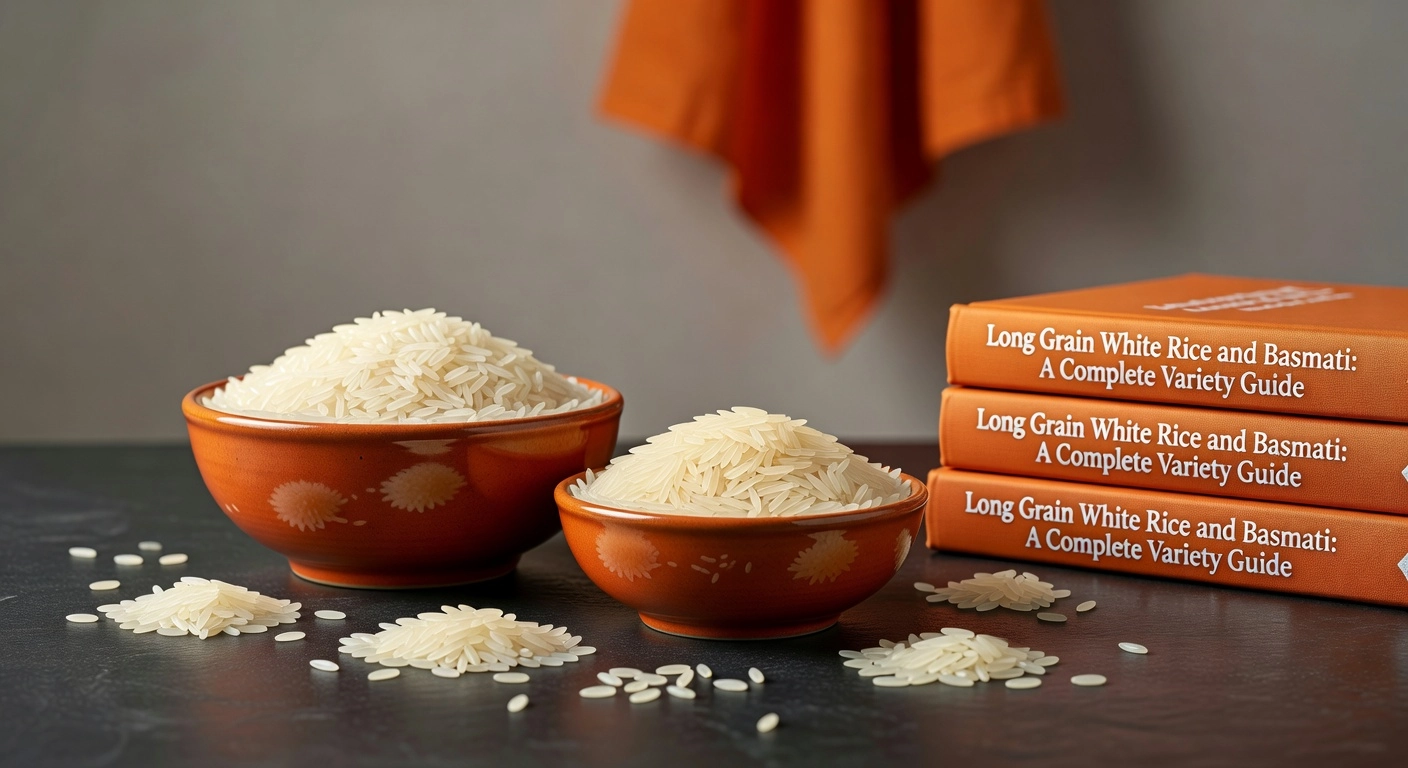
Long Grain White Rice and Basmati: A Complete Variety Guide

Few ingredients carry as much culinary weight as rice, and within the vast world of rice varieties, long grain white rice and basmati stand out as two of the most widely used and frequently confused options. Whether you are stocking your pantry for the first time or refining your cooking techniques, understanding the distinct characteristics of these two staples can genuinely transform your results in the kitchen.

Long grain white rice and basmati share some obvious similarities, but the differences between them run deeper than most home cooks realize. From grain structure and starch composition to aroma, texture, and ideal cooking applications, each variety brings something unique to the table. Choosing the wrong one for a specific dish can mean the difference between a perfectly fluffy pilaf and a sticky, disappointing result.

In this guide, you will get a thorough breakdown of both varieties, covering their origins, nutritional profiles, flavor characteristics, and best uses. By the end, you will have the knowledge to select the right rice with confidence every single time.

What Makes Rice Long Grain and Where Does Basmati Fit

Rice classification begins with a straightforward physical measurement. A grain qualifies as long-grain when its raw length reaches 6mm or more, with a slender length-to-width ratio that typically falls between 3:1 and 5:1. This geometry is not cosmetic; it directly determines cooking behavior. Higher amylose content in long-grain varieties causes the starch to set firmly during cooking, producing separate, fluffy grains rather than the sticky, cohesive texture associated with shorter varieties.

Basmati rice sits at the premium end of this long-grain spectrum. Standard basmati grains measure between 7.5mm and 8.5mm in their raw state, already placing them well above the baseline classification threshold. The performance difference becomes most dramatic after cooking. Premium 1121 basmati, sourced primarily from designated growing regions in India and Pakistan, elongates to between 15mm and 21mm when cooked, roughly doubling in length while retaining a needle-like slenderness. According to grain classification frameworks used in international trade, this elongation ratio is a defining characteristic that separates true extra-long basmati from generic long-grain alternatives. For an in-depth look at how grain dimensions affect physical performance, published research on the mechanical properties of rice grains confirms that length-to-width ratio directly influences milling yield, breakage risk, and final cooked texture.

The commercial scale of the long-grain category underscores why basmati commands such attention from traders and buyers. Long-grain rice accounts for approximately 52% of the entire global rice market by volume, making it the single dominant category worldwide. Basmati represents the premium driver within that share, distinguished by a volatile aromatic compound called 2-acetyl-1-pyrroline, which produces the signature nutty fragrance that no standard long-grain variety can replicate. Buyers and procurement specialists assess quality through four primary indicators: grain length uniformity across a batch, the slender width ratio, measurable aroma intensity tied to 2-acetyl-1-pyrroline concentration, and a low broken grain percentage that preserves both cooking yield and market value.

The GCC region illustrates how cultural cuisine shapes commodity demand with unusual precision. Dishes like biryani, kabsa, machboos, and pulao are architectural in their construction; each requires grains that remain visually distinct, absorb aromatics without turning mushy, and present with maximum elongation on the plate. These culinary requirements make long-grain aromatic rice, particularly basmati, a functional necessity rather than a preference. The UAE alone imports over 90% of its rice consumption, with 2025 import values reaching US$449 million across a forecast volume of approximately 975,000 metric tons for marketing year 2025/26. India and Pakistan together supply nearly 90% of that volume, primarily through premium basmati grades. As a direct-sourcing operator with procurement roots in both countries, Souq Al Mena is positioned within this supply corridor to deliver authenticated, traceable long-grain basmati to both institutional buyers and retail consumers across the GCC and beyond.

White Basmati vs. Brown Basmati: Why White Dominates MENA Markets

The distinction between white and brown basmati reaches far beyond simple milling preferences, and in MENA markets, that distinction consistently resolves in favor of white. When basmati undergoes full milling, the process strips away the outer bran layer and germ, producing a grain with a cleaner, more delicate flavor profile and a cooking time of roughly 10 to 15 minutes. Brown basmati, retaining its bran intact, requires 30 to 45 minutes of active cooking and introduces oils that accelerate spoilage. The shelf life gap between the two is decisive for bulk traders: white milled basmati maintains quality for 18 to 24 months in airtight ambient storage, while brown basmati's residual bran oils turn rancid within 6 to 12 months, according to comparative shelf stability research on basmati varieties.

The culinary logic of the Gulf region reinforces this processing advantage. Traditional dishes such as kabsa, mandi, and aromatic rice pilafs are built around bold layered spices. Brown basmati's nutty, earthy character competes with those spice profiles rather than complementing them. White basmati functions as a neutral, highly absorbent base, elongating dramatically during cooking, separating into individual fluffy grains, and carrying spice-forward sauces without overpowering them. This functional role is why institutional foodservice operators, including hotel banquet kitchens and large-scale catering companies across the GCC, specify white milled basmati almost exclusively for consistent texture, visual presentation, and reliable bulk storage throughput.

A common misconception positions white rice as nutritionally inferior to its whole-grain counterpart, but white basmati challenges that assumption. Its glycemic index sits at approximately 50 to 58, measurably lower than standard long-grain white rice varieties that register between 64 and 72. The difference is meaningful for health-conscious consumers who want a premium aromatic grain without a sharp blood sugar response. Brown basmati's GI of roughly 52 is marginally lower, but that modest gap rarely justifies the trade-offs in flavor compatibility, cooking complexity, and shortened storage windows that institutional buyers cannot absorb.

The logistics argument becomes even sharper when viewed through the lens of UAE re-export operations. The UAE functions as a central redistribution node, channeling basmati sourced from India and Pakistan onward to GCC neighbors and African markets where cold-chain infrastructure remains inconsistent. As market analyses of the Middle East and Africa basmati sector confirm, white milled rice dominates import volumes, with brown representing a negligible fraction of total trade value. Ambient-stable white basmati can transit multiple handling points, tolerate extended warehouse periods, and arrive at destination markets in viable condition, making it the only commercially practical choice for high-volume cross-border distribution. Souq Al Mena's direct sourcing from Indian and Pakistani mills, combined with sea freight routing through Jebel Ali, capitalizes precisely on this stability advantage to serve both regional retail buyers and institutional procurement desks efficiently.

1121 vs. Pusa vs. 1509 vs. Super Kernel: Which Basmati Is Right for You

Selecting the right basmati variety is a procurement decision with real financial and culinary consequences. Each of the four commercially dominant varieties occupies a distinct position on the price-quality spectrum, and understanding those distinctions separates confident sourcing from costly guesswork.

1121 XXL Basmati sets the global benchmark for premium long-grain white rice. Raw grain length runs 8.3 to 8.5mm, and upon cooking the grain extends dramatically to 22mm or beyond, achieving an elongation ratio close to 2.5 times. This extraordinary visual impact makes it the non-negotiable choice for high-presentation biryani, festive rice dishes, and fine-dining plated portions where every grain must lie separate and proud. At the UAE wholesale level, this prestige commands a price of USD 1,400 to 1,600 per metric ton, the highest tier among all traded varieties. For retailers and hospitality buyers who position quality as a differentiator, the premium is justified by consistent consumer recognition and willingness to pay.

Pusa 1121 Basmati occupies a strategically important middle ground. Developed by India's Pusa Agricultural Institute, the variety delivers grain lengths comparable to, though fractionally shorter than, the XXL grade, while producing aroma intensity that many professional cooks consider even more pronounced. Institutional buyers take notice: APEDA data from November 2025 places the average Indian export price at approximately USD 925 per metric ton, a compelling entry point for buyers who need premium quality at scale without absorbing the full XXL price tier. For central kitchens, hotel banquet operations, and bulk retail packing, Pusa 1121 delivers the aroma profile and elongation performance that premium cooking demands, at a cost structure that protects margins.

1509 Basmati addresses the operational realities of high-volume foodservice. The raw grain is slightly shorter than 1121, typically in the 7.2 to 8.4mm range depending on grade, and aroma registers as medium rather than intense. What 1509 contributes in return is a faster cooking time, roughly 8 to 10 minutes against the longer requirement of 1121, and pricing that typically runs 15 to 30 percent below the 1121 benchmark. For catering operators running large-scale daily production, that combination of speed and cost efficiency is operationally significant without introducing a quality gap visible to the end consumer. The 1121 vs. 1509 basmati comparison guide outlines these cooking performance differences in useful technical detail.

Super Kernel Basmati represents Pakistan's flagship export variety and a distinct aromatic tradition. The grain is slender, averaging around 7.2mm raw and elongating to 16mm cooked, with a floral aroma profile that carries a traditional character preferred by Pakistani households and a broad base of Arab consumers who associate that specific scent with authentic home cooking. Super Kernel competes in UAE retail not solely on specification but on decades of established trade relationships and price positioning that typically runs 5 to 15 percent below equivalent Indian premium grades. For buyers serving diaspora communities or traditional Arab households, this variety's cultural resonance is a sourcing consideration as relevant as any grain measurement. Resources covering basmati rice varieties offer further context on aroma compound profiles across origins.

Quick-Reference Comparison

VarietyGrain Length Raw/CookedAroma ProfileBroken Grain ToleranceAging RequirementBest ApplicationsPrice TierOrigin Certification
1121 XXL (Indian)8.3-8.5mm / 22mm+Strong, classic0-5%12-24 monthsPremium biryani, festive, fine diningHighest (USD 1,400-1,600/MT wholesale)GI, India (APEDA)
Pusa 1121 (Indian)~8.0-8.4mm / strong elongationExceptional intensity0-5%12-24 monthsInstitutional biryani, bulk retailCompetitive premium (~USD 925/MT)GI, India (APEDA)
1509 (Indian)7.2-8.4mm / good elongationMedium/mild0-5%12-16 monthsFoodservice, high-volume cateringValue/mid-rangeGI, India (APEDA)
Super Kernel (Pakistani)~7.2mm / 16mm+Distinct floral/traditional0-2% premium12-24 monthsHousehold biryani, Arab/Pakistani cookingValue-competitiveGI, Pakistan (PSRB/TDAP)

The decision framework ultimately aligns with your channel and end-use priority. Visual impact and premium retail positioning call for 1121 XXL. Aroma-led institutional volume points toward Pusa 1121. Cost-efficient foodservice throughput favors 1509. Traditional household and Arab market appeal belongs to Super Kernel. Souq Al Mena's direct sourcing from both Indian and Pakistani manufacturers means buyers can access all four tiers through a single supply relationship, with consistent quality control applied at origin rather than left to intermediary handling.

Sella and Parboiled Basmati: The Foodservice Operator's Choice

Among the processing variants that define professional kitchen procurement, sella basmati occupies a category of its own. The production method begins before milling even takes place: raw paddy is soaked, steamed under pressure, and dried while still encased in the husk. This hydrothermal process gelatinizes the starch structure and drives water-soluble nutrients, including thiamine, niacin, and key minerals, from the bran layer deep into the endosperm. The result is a grain that is structurally harder before cooking and dramatically more forgiving during it. In high-volume kitchen environments where a single batch of biryani may serve hundreds of covers simultaneously, the near-zero overcooking risk of parboiled sella basmati is not a convenience feature; it is a core operational requirement.

The Role of Aging in Premium Foodservice Grades

Aging transforms basmati's aromatic profile in ways that no processing shortcut replicates. Paddy or milled grain stored for a minimum of one to two years post-harvest undergoes gradual moisture reduction and biochemical changes that intensify concentrations of 2-acetyl-1-pyrroline, the compound responsible for basmati's signature fragrance. Lower residual moisture also produces the dramatic elongation, sometimes reaching 2 to 2.5 times the raw grain length, that hotel banqueting teams and catering operations associate with premium biryani presentation. Procurement managers at five-star properties across the UAE and Saudi Arabia increasingly write aging specifications directly into supplier contracts, treating it as a measurable quality benchmark rather than a subjective preference.

Golden Sella vs. White Sella: A B2B Comparison

For institutional buyers, the distinction between Golden Sella and White Sella carries real commercial weight. Golden Sella undergoes more intensive parboiling, producing a recognizable amber-gold hue, a firmer bite, superior shape retention through reheating cycles, and a slightly richer aroma profile. It commands a modest price premium and is frequently specified for hotel banquets, airline catering, and export-grade retail packaging where visual presentation matters. White Sella, processed with lighter parboiling and controlled polishing, delivers a pale ivory appearance with a softer, fluffier texture that suits everyday institutional catering, bulk pulao preparation, and cost-sensitive volume accounts. Both sub-categories share the nutritional retention advantages that distinguish parboiled grades from raw milled rice, and both offer meaningfully longer shelf life, typically 18 to 24 months under proper storage conditions.

Logistics Advantages for Sea Freight Importers

The supply chain case for sella varieties extends well beyond the kitchen. Post-processing, sella rice is dried to a stable moisture level of roughly 12 to 14 percent, significantly below the threshold at which mold, fungal growth, and heat-related degradation become active risks. For B2B importers routing bulk shipments through Jebel Ali or Khorfakkan ports, where container transit times and port dwell periods can extend over several weeks, this moisture stability directly reduces spoilage claims and quality disputes. The GCC basmati market, valued at approximately USD 1.64 billion in 2025 and projected to reach USD 1.79 billion by 2034, is increasingly structured around operators who treat sella specification as a logistics risk management decision as much as a culinary one. Souq Al Mena sources sella basmati directly from manufacturing partners in India and Pakistan, enabling precise grade specification and moisture-certified documentation that supports smooth customs clearance across GCC corridors.

India vs. Pakistan: Sourcing Origins and Quality Credentials

When examining the supply architecture behind long grain white rice basmati in the UAE market, two origins dominate with near-complete control. India supplied approximately US$215 million worth of rice to the UAE in 2025, representing roughly 48% of total imports, while Pakistan contributed approximately US$189 million, accounting for around 42%. Together, these two origins command nearly 90% of the UAE's rice import value, which reached a total of US$449 million across all varieties in 2025. Understanding how these origins differ, not just in geography but in certification frameworks, variety profiles, and compliance infrastructure, is essential for buyers making serious procurement decisions. You can review the detailed UAE rice import breakdown by origin for the most current trade figures.

India: GI Protection and Premium Variety Positioning

India's competitive advantage in the basmati segment is anchored by its Geographical Indication certification, a legal protection that restricts the basmati designation to rice cultivated within specific notified growing regions. These regions include Punjab, Haryana, Himachal Pradesh, and Uttarakhand, alongside parts of western Uttar Pradesh, Delhi, and Jammu and Kashmir. This GI framework, enforced through Indian law and recognized in international trade, means that buyers sourcing certified Indian basmati receive documented assurance of authentic regional origin. The flagship export varieties from these regions are 1121 and Pusa, both distinguished by exceptional grain elongation. Upon cooking, 1121 grains can nearly double in length, producing the visually impressive, separate-grain presentation that premium retail and high-volume foodservice buyers in the Gulf consistently prioritize. Aroma intensity is another defining attribute, with the characteristic floral-nutty scent of these varieties being a primary purchase driver across the GCC market.

Pakistan: Super Kernel, PK 386, and PSQCA Standards

Pakistan's basmati production is concentrated in its Punjab province, where alluvial soils between the Ravi and Chenab rivers create growing conditions that produce distinctly aromatic long-grain varieties. The two primary export varieties entering the UAE market are Super Kernel (also traded as Super Basmati) and PK 386. Super Kernel is particularly valued for its intensely floral fragrance and a slightly stickier cooked texture compared to Indian counterparts, a characteristic that suits specific traditional Gulf recipes where some grain cohesion is preferred over strict separation. The Pakistan Standards and Quality Control Authority oversees export compliance, setting phytosanitary benchmarks and quality specifications that align Pakistani shipments with destination-market food safety requirements.

Direct Sourcing, Traceability, and Certification in 2025

The method of procurement from these origins matters as much as the origin itself. Souq Al Mena sources directly from mills and processing facilities in both India and Pakistan, bypassing broker layers that historically added cost and obscured documentation chains. This direct factory access delivers buyers verified certificates of origin, phytosanitary certificates, and food safety compliance records that trace product from farm to shipping container. In the 2025 to 2026 procurement cycle, this level of documentation has shifted from a differentiator to a baseline expectation. Institutional buyers, hotel groups, and premium retailers now routinely require GI compliance confirmation for Indian varieties and PSQCA-aligned quality documentation for Pakistani shipments, alongside clearance records meeting UAE MOIAT and Saudi SFDA standards. Buyers who cannot produce this documentation face increasing barriers at both customs entry and retail listing stages, making origin-verified, directly sourced supply the only credible option for serious market participants.

2025 to 2026 Market Pricing and Supply Outlook for Basmati Buyers

The pricing architecture governing long grain white rice basmati in the current cycle presents a genuinely favorable environment for UAE and GCC buyers with the positioning and procurement discipline to act on it.

According to APEDA's November 2025 monthly rice dashboard, Indian Pusa Basmati FOB export prices averaged approximately USD 925 per metric ton, compared to Pakistan's average of roughly USD 1,034 per metric ton. These figures reflect a meaningful softening from prior peak levels, driven primarily by India's removal of its Minimum Export Price mechanism in September 2024, which released accumulated competitive pressure and allowed Indian exporters to price more aggressively into global markets. For UAE importers, the FOB price represents only the starting point: landed wholesale prices in the UAE typically range from USD 1,400 to USD 1,600 per metric ton, depending on grade specification, packaging format, and the volume commitment structured into the supply agreement. That spread between Indian FOB and UAE wholesale reflects the cumulative cost of sea freight into Jebel Ali or Khorfakkan, customs clearance, sorting, repackaging, and distributor margins on premium grades.

Price Stability Projections and the 2026 Buying Window

The macro supply picture reinforces the pricing softness seen at the FOB level. A joint study by the International Rice Research Institute projects that global rice prices will remain low to stable through 2026, citing India's surplus stocks and the normalization of its export policy as the structural drivers. USDA forecasts support this view, pointing to record global milled rice production of approximately 538.7 million metric tons in the 2025/26 marketing year alongside record trade volumes. For UAE importers, this convergence of ample Indian supply and open export channels creates a procurement window that may not persist into 2027 and 2028, when analysts expect demand-side recovery in key consuming markets to begin tightening the supply-demand balance. Buyers sourcing premium Pusa, 1121, or Super Kernel varieties are well-positioned to lock in forward contracts or volume commitments at current FOB levels before that upward price pressure materializes.

GCC Market Value and the Premiumization Premium

Despite the current softness in commodity-level pricing, the structural value of the GCC basmati market continues to expand. The market is valued at USD 1.64 billion in 2025 and is projected to reach USD 1.79 billion by 2034, according to IMARC Group analysis. That growth trajectory is not primarily a volume story; it reflects premiumization, with institutional buyers, hospitality operators, and retail consumers increasingly specifying extra-long grain varieties, aged basmati, and certified-origin products rather than undifferentiated commodity rice. Saudi Arabia leads regional demand, with the UAE and Kuwait following closely, and foodservice sector expansion across all three markets continues to drive specification-grade procurement volumes upward.

The UAE Re-Export Premium: Cost vs. Distribution Advantage

The UAE's role as the region's dominant rice re-export hub shapes pricing logic in a way that pure FOB analysis cannot capture. With 975,000 metric tons of rice imports forecast for marketing year 2025/26, the UAE positions itself not merely as an end consumer but as the redistribution backbone for GCC neighbors and East African markets. Accessing that distribution infrastructure through verified UAE import channels carries a trade hub premium of roughly 15 to 25 percent above pure FOB sourcing costs. For B2B buyers evaluating direct-origin sourcing versus UAE-based intermediaries, that premium buys unmatched logistical reach, free-zone inventory flexibility, and the financial services infrastructure that Jebel Ali and Khorfakkan corridors provide. Souq Al Mena's direct procurement relationships with Indian and Pakistani producers, combined with sea freight access into both ports, are structured precisely to convert that premium into a distribution advantage rather than a pure cost burden.

Buying Guide for B2C Consumers and B2B Bulk Importers

For B2C Retail Buyers: Reading Labels Like a Professional

Retail buyers navigating the premium basmati shelf face a genuine information challenge. Packaging carries meaningful signals, but only buyers who know what to read can act on them confidently. The most important indicator is variety designation: look explicitly for 1121 or an XXL/extra-long grain label, as these signal a raw grain length of 8.3mm or more, which elongates to 20mm or beyond when cooked. This elongation is what delivers the visually impressive, separated grains that define a proper biryani or pilaf presentation.

Aging statements represent the second critical checkpoint. Premium long grain white rice basmati intended for biryani should carry a 1 to 2 year aging declaration on the pack. Aged rice has lower moisture, firmer texture, and significantly more pronounced aroma than fresh-crop stock, because natural aging concentrates the 2-acetyl-1-pyrroline compounds responsible for basmati's signature fragrance. New-crop rice, even from premium varieties, cooks softer and absorbs less water, which produces a mushier result in high-heat cooking applications.

Certification marks complete the verification picture. For Indian-origin rice, FSSAI authorization confirms the product meets food safety and labeling regulations. For Pakistani varieties like Super Kernel or PK-386, PSQCA certification verifies that hygiene, quality, and export standards have been met at source. Third-party APEDA registration adds another layer of traceability for Indian origin claims. Any pack that omits variety name, origin, aging status, or regulatory certification warrants caution, because blended or mislabeled rice is a genuine market reality.

For B2B Institutional Buyers: Technical Specifications That Protect Margin

Institutional procurement decisions in the basmati category hinge on measurable quality tolerances rather than packaging aesthetics. The foundational metric is broken grain percentage: premium export-grade basmati should register below 2% broken grains, ideally under 1%. Higher broken percentages reduce cooking yield, create starchy cooking water, and compromise plate presentation in HORECA settings. Any specification sheet that omits this figure is incomplete for serious procurement purposes.

Moisture content must not exceed 12.5% at the point of shipment. Rice loaded above this threshold risks mold development, insect activity, and quality degradation during the 10 to 18 day sea freight transit from Indian ports such as Mundra or JNPT, and Pakistani ports including Karachi, to Jebel Ali. Buyers should insist on laboratory moisture certificates from accredited third-party inspectors rather than relying solely on supplier declarations.

Minimum order quantities for economical container-load sea freight typically fall between 20 and 25 metric tons per 20-foot container. Uniformity tolerances covering admixture percentages, discolored grain counts, and average raw grain length should be written explicitly into purchase agreements. Sorting specifications, whether sortex-cleaned or double-sortexed, affect visual grade and should align with the buyer's end customer requirements.

For UAE-Based Re-Exporters: The GCC Infrastructure Advantage

Re-exporters operating from the UAE occupy a structurally advantageous position in the GCC rice distribution chain. The GCC Harmonized Customs Tariff framework enables goods cleared into the UAE to transit onward to Saudi Arabia, Oman, Kuwait, and Bahrain with streamlined customs procedures. Free zone infrastructure at Jebel Ali supports bonded storage, repackaging, and consolidation without triggering UAE import duties on goods destined for re-export, a meaningful cost lever on large-volume agricultural commodity flows.

The India-UAE Comprehensive Economic Partnership Agreement further supports preferential treatment for compliant Indian-origin rice shipments. Efficient customs clearance depends on complete documentation: certificates of origin, phytosanitary certificates, Halal certification where destination markets require it, and accurate HS code classification under the GCC unified tariff. Re-exporters who maintain these documentation standards consistently experience materially faster port release and fewer compliance delays.

Payment Structures and Logistics for Bulk Orders

Bulk buyers typically negotiate under either FOB or CIF pricing structures. FOB transfers freight and insurance responsibility to the buyer at the origin port, giving experienced importers direct control over shipping rates and carrier selection. CIF pricing, where the seller arranges freight and insurance to the destination port, suits buyers seeking simplified cost structures or those newer to direct South Asian sourcing.

Payment terms in South Asian rice trade conventionally follow Letter of Credit (LC) or Telegraphic Transfer (TT) structures. Irrevocable confirmed LCs protect both parties in high-value transactions, while TT arrangements, typically structured around bill of lading milestones, suit established trading relationships with proven counterparties.

Souq Al Mena addresses both buyer categories directly through its dual-channel model. Its institutional trading desk maintains direct factory relationships in India and Pakistan, enabling B2B buyers to access bulk supply with verified specifications and competitive pricing. For buyers requiring smaller quantities or faster fulfillment, souq-mena.com offers retail-ready B2C SKUs with GCC delivery within 1 to 23 days and coverage across Western markets including the USA, UK, and Canada within 9 to 25 days, combining sourcing depth with distribution reach in a single trading partner.

How to Cook Each Basmati Variety Perfectly for Gulf Dishes

Translating variety knowledge into consistent results requires matching each grain type to the cooking method it was essentially engineered for. The five major commercial varieties behave meaningfully differently under heat, and Gulf dishes are unforgiving of wrong water ratios or skipped preparation steps.

1121 XXL Basmati for Biryani

For biryani, 1121 XXL demands the most deliberate preparation of any variety, and the results justify every step. Soak rinsed grains for 30 to 45 minutes to fully hydrate the starch and prime the grain for maximum elongation. Parboil using a 1:1.5 water ratio until the rice reaches roughly 70 to 75 percent doneness, still firm at the core. Drain immediately, then layer over spiced meat with saffron-infused milk and seal the vessel tightly for dum cooking on low heat for 20 to 25 minutes. This sealed-steam finish drives the grain to its full length while infusing layered aromatics into each separate grain without any mushiness.

Pusa 1121 for Kabsa and Machboos

Pusa 1121 suits the Saudi and Gulf one-pot tradition of kabsa and machboos particularly well. Its lower surface starch means a shorter 20-minute soak is sufficient before cooking. Use a 1:1.75 water ratio with saffron-infused broth and whole spices including cardamom, cinnamon, and cloves added directly to the cooking liquid. The grain absorbs spiced cooking juices completely while each grain remains visually distinct and fluffy, which is the textural signature that defines an authentic machboos.

1509 Basmati for Pulao and Pilaf

For everyday institutional or household pulao, 1509 basmati delivers the fastest throughput among premium varieties. A 20-minute soak followed by a 1:1.6 water ratio and approximately 15 minutes of absorption cooking produces reliably consistent results across large batches, making it the practical default for catering operations running high-volume pulao service.

Super Kernel for Household Spiced Rice

Super Kernel performs best with a 30-minute soak and a 1:1.7 water ratio. It produces a slightly more cohesive grain texture compared to 1121, which holds structural integrity in spiced dishes loaded with vegetables and braised meat without becoming sticky or clumping.

Sella/Parboiled Basmati for Events

Sella basmati requires no soaking and a generous 1:2 water ratio to rehydrate its pre-gelatinized starch. The grain is virtually impossible to overcook and maintains full separation and integrity for two to three hours in warming trays, which is precisely why large-format Gulf hospitality operations specify it as their standard for buffets and banquet service.

Nutritional Advantages of Basmati Over Standard Long Grain White Rice

The nutritional distinction between basmati and standard long-grain white rice is measurable, meaningful, and increasingly relevant to health-conscious buyers across the UAE and GCC.

Glycemic Index: A Significant Practical Gap

White basmati rice carries a glycemic index of approximately 50 to 58, placing it firmly in the low-to-medium GI range. Standard long-grain white rice registers between 64 and 72, a classification that puts it solidly in medium-to-high territory. This gap has direct implications for consumers managing blood sugar levels, following diabetic meal plans, or simply seeking steadier energy release throughout the day. The primary structural reason is amylose content: basmati contains roughly 25 to 30% amylose, compared to around 20 to 25% in conventional long-grain white varieties. Amylose digests considerably more slowly than amylopectin, producing a gentler and more gradual rise in blood glucose. For GCC consumers navigating one of the world's highest regional rates of Type 2 diabetes, this distinction carries genuine dietary weight.

Aroma Chemistry and Portion Satisfaction

The compound 2-acetyl-1-pyrroline, present naturally in basmati at harvest and intensified through aging, is entirely absent or negligible in standard long-grain white rice. This molecule produces basmati's signature nutty, popcorn-like fragrance, a sensory cue that signals quality before the first bite. From a behavioral nutrition standpoint, this matters: a more aromatic, satisfying eating experience supports mindful consumption and can reinforce natural portion discipline without caloric restriction feeling forced.

Resistant Starch in Cooled Preparations

Basmati's higher amylose content creates another downstream advantage. When cooked basmati is cooled and stored, starch retrogradation converts a meaningful portion of digestible starch into resistant starch, effectively lowering the glycemic impact of the same portion by an estimated 10 to 15 GI points. This makes basmati particularly well suited to pre-prepared meal formats, rice salads, and leftover-based eating patterns common in modern GCC households.

Protein and Amino Acid Profile

Premium aged basmati also edges ahead on protein content, with dry-weight figures reaching 7 to 8% and cooked servings delivering approximately 4 grams per cup alongside a complete essential amino acid profile. These margins over standard long-grain white rice, while modest, support premium pricing in retail and align with the health-conscious positioning that wellness-driven buyers increasingly expect.

Alignment with Souq Al Mena's Wellness Narrative

This nutritional profile integrates directly with Souq Al Mena's nutraceuticals and health and wellness e-commerce vertical at souq-mena.com. For UAE and GCC consumers who already engage with dietary supplements and bio-diagnostic products through the platform, premium basmati becomes a natural dietary companion rather than a standalone grocery item, reinforcing a coherent, integrated wellness narrative across product categories.

Why Traceability and Certification Matter When Sourcing Basmati in 2025

Authenticity in basmati procurement starts with a piece of paper, and in 2025, that paper trail has never carried more commercial weight. Geographical Indication certification from India, administered through APEDA, and domestic GI protections recognized under Pakistan's framework serve as the primary markers that separate genuine basmati from non-basmati long-grain substitutes that enter commodity supply chains through blending or mislabeling. These certifications confirm origin, variety characteristics, aroma compounds, and grain elongation ratios, providing buyers with verifiable evidence that what they are purchasing is not a visually similar substitute passed off as premium stock. Without these credentials, buyers in competitive import markets like the UAE have limited recourse when grain quality fails to match label claims.

Regulatory compliance is equally non-negotiable for GCC market access. UAE MOIAT and Saudi SFDA import frameworks require every rice consignment to arrive with a complete documentation package: valid phytosanitary certificates confirming pest and disease-free status, certificates of origin, certificates of conformity with GSO technical standards, and laboratory test reports verifying pesticide residue levels and contaminant thresholds. Saudi SFDA applies these requirements rigorously under its food clearance conditions, and shipments that arrive with incomplete documentation face rejection, quarantine, or destruction at port. For importers managing sea freight volumes through Jebel Ali or Khorfakkan, a single compliance failure can translate into significant demurrage costs and supply disruptions that cascade through institutional buyer contracts.

Traceability is shifting from a compliance checkbox to a procurement specification in its own right. Airlines, hospital catering groups, hotel chains, and large retail buyers are now attaching supplier documentation requirements to their tender specifications, requesting batch-level traceability, farm-origin records, and certification history alongside price and grain-length data. This trend is accelerating through 2025 and into 2026 as premiumization raises buyer expectations across the GCC basmati segment, currently valued at USD 1.64 billion.

Sourcing directly from verified suppliers in India and Pakistan, as Souq Al Mena does through its direct factory procurement model, eliminates the chain-of-custody gaps that accumulate across multi-tier broker networks. Each additional intermediary in a supply chain introduces a point where documentation can be lost, altered, or omitted. Direct importer-to-manufacturer relationships preserve the complete paper trail from origin certification through export documentation to GCC customs clearance, giving institutional and retail buyers a coherent traceability record they can present to auditors or regulators.

Eco-conscious sourcing is the newest dimension entering total cost of ownership calculations for premium basmati. Forward-thinking buyers are beginning to weigh the carbon footprint difference between sea and air freight, with bulk sea freight via Jebel Ali representing significantly lower per-tonne emissions than air shipment. Sustainable farming certifications, water stewardship credentials, and biodegradable packaging options are appearing in procurement specifications, particularly for buyers supplying green-certified hotels or sustainability-focused retail chains. Souq Al Mena's commitment to minimized biodegradable packaging and its broader eco-commerce integration positions it to meet these emerging requirements as they move from differentiator to baseline expectation.

Sourcing Long Grain White Basmati Through Souq Al Mena

Souq Al Mena's position in the long grain white rice basmati supply chain begins at the origin, not the warehouse. Through direct relationships with verified mills and suppliers in India and Pakistan, the company bypasses the broker layers that typically inflate landed costs for GCC buyers. That direct access translates into competitive per-metric-ton pricing across the full premium variety range, including 1121 XXL, Pusa Basmati, 1509 XXL, and Super Kernel. Each variety comes with full traceability documentation, supporting the certification requirements that institutional buyers increasingly treat as non-negotiable in 2025 procurement cycles. With India and Pakistan collectively accounting for approximately 90% of UAE rice imports by value, sourcing discipline at the origin level determines competitive advantage across the entire supply chain.

The dual B2B and B2C model creates a structural advantage that benefits every buyer category simultaneously. Institutional clients engaging the bulk trading desk and retail consumers ordering packaged SKUs draw from the same verified supply chain, which means neither segment subsidizes the other through markup layers. A hotel procurement team negotiating a multi-ton 1121 XXL contract and a household buyer ordering a retail-ready bag through souq-mena.com access equivalent product quality without the pricing distortions that typically separate wholesale and consumer channels.

Regional fulfillment spans the full GCC corridor, covering UAE, KSA, Oman, Bahrain, and Kuwait with delivery windows of 1 to 23 days through land networks and automated customs clearance channels. The UAE hub also supports re-export logistics, making Souq Al Mena a practical sourcing node for regional distributors serving secondary markets.

Compliance infrastructure removes the administrative friction that often delays cross-border grain procurement. GCC Harmonized Customs Tariff utilization, SFDA documentation support for Saudi buyers, and MOIAT-aligned import credentials keep institutional shipments moving without procedural bottlenecks.

B2B buyers can engage the institutional trading desk directly to discuss bulk quantities, minimum order thresholds, and customized packaging specifications suited to their operational requirements. B2C shoppers access retail-ready basmati SKUs through souq-mena.com, supported by multi-currency pricing and regional payment options including Mada, KNET, Benefit, and Apple Pay for seamless checkout across GCC markets.

Frequently Asked Questions About Long Grain White Rice and Basmati

Is Basmati Rice the Same as Long Grain White Rice?

Basmati is not identical to generic long grain white rice, though it belongs within that broader family. The critical distinction lies in three factors: geographic origin protected by Geographical Indication status, a unique aromatic compound called 2-acetyl-1-pyrroline that produces basmati's signature fragrance, and exceptional elongation during cooking where grains can nearly double in length while remaining separate. Standard long grain white rice lacks this GI protection, consistent aroma profile, and reliable elongation behavior. Basmati is best understood as a premium, narrowly defined subcategory within the long-grain white rice classification, not a synonym for it.

Which Basmati Variety Is Best for Biryani?

For biryani, 1121 XXL and aged Pusa 1121 stand above all other options. These varieties deliver raw grain lengths exceeding 8.3 mm, extreme post-cooking elongation, and a non-sticky texture that holds structural integrity through prolonged cooking with dense spices, fats, and meat. The aroma intensity of aged 1121 also survives high-heat dum cooking, which shorter-aged or milder varieties like 1509 cannot consistently match. Foodservice operators and home cooks across the GCC consistently specify these two varieties for premium biryani preparation.

What Is the Price of Basmati Rice in the UAE in 2025?

UAE wholesale basmati prices in 2025 ranged from USD 1,400 to 1,600 per metric ton, varying by variety, grade, and packaging specifications. Indian Pusa Basmati FOB export prices were considerably lower, averaging approximately USD 925 per metric ton in November 2025, reflecting the margin absorbed by freight, port handling, and local distribution through Jebel Ali. Ramadan demand cycles and harvest quality both introduce seasonal price movement, so buyers committing to large volumes benefit from forward planning.

What Is the Difference Between Sella and Raw Basmati?

Sella basmati undergoes soaking and steaming inside the husk before milling, which hardens the grain structure, extends shelf life, reduces starch surface stickiness, and produces a firmer texture that resists breaking under prolonged heat. Raw basmati skips this parboiling step entirely, delivering a brighter white appearance, softer cooked texture, and a stronger natural aroma. Raw basmati suits home cooking where freshness and fragrance are priorities; sella is the preferred specification for hotels, catering operations, and high-volume foodservice where consistency under stress matters more than aromatic intensity.

How Do I Source Basmati in Bulk for the UAE or GCC Market?

Bulk sourcing requires a structured qualification process before any volume commitment. Work with a direct importer maintaining verifiable mill relationships in India and Pakistan, and request phytosanitary certificates alongside the certificate of origin for every shipment. Specify acceptable broken grain percentage, typically under 5%, and confirm moisture content falls within the 12 to 14% range to prevent storage degradation. Verify that all documentation meets GCC customs compliance standards, including SABER requirements for Saudi Arabia-bound shipments. Souq Al Mena's institutional trading desk sources directly from Indian and Pakistani factories with full documentation chains, making it a structured entry point for buyers seeking compliant, verified bulk basmati supply into the UAE and broader GCC corridor.

Key Takeaways for Basmati Buyers in the UAE and GCC

Five decisions separate a confident basmati buyer from an expensive procurement mistake. First, match your variety to the dish: 1121 XXL delivers the elongation and aroma premium biryani demands, Pusa serves cost-sensitive institutional kitchens without sacrificing dependability, 1509 handles everyday household cooking efficiently, and Super Kernel remains the trusted choice for traditional Gulf preparations like kabsa and machboos. Second, the 2025-2026 pricing window is genuinely favorable; with Pusa export prices holding near USD 925/MT and IRRI projecting continued price stability into 2026, B2B buyers should initiate forward contract negotiations now rather than waiting for market shifts. Third, always demand GI certification, phytosanitary documentation, and verified broken grain percentages before finalizing any bulk commitment, regardless of sourcing channel or supplier reputation. Fourth, retail buyers should reject generic basmati labels and specifically seek 1121 or XXL designations alongside aging declarations to ensure consistent results in Gulf cooking. For bulk B2B inquiries or direct retail purchases, contact Souq Al Mena or browse premium long grain white basmati SKUs sourced directly from India and Pakistan at souq-mena.com.

Conclusion

Understanding the difference between long grain white rice and basmati is one of those small but meaningful upgrades that pays off every time you cook. To recap the essentials: long grain white rice offers versatility and neutral flavor, making it ideal for everyday dishes; basmati brings aromatic depth and a fluffy, distinct texture perfect for biryanis, pilafs, and fragrant cuisines. Their starch compositions differ significantly, which directly affects texture and cooking results. Choosing the right variety for the right dish is not complicated once you know what sets them apart.

Now it is time to put this knowledge to work. Stock both varieties in your pantry, experiment with your favorite recipes, and notice the difference firsthand. Small, informed choices in the kitchen lead to consistently better meals. Your rice dishes will never be the same again.

Drip Irrigation for Commercial Farming: ROI and MENA Analysis

Water scarcity is reshaping agriculture across some of the world's most resource-constrained regions, and the stakes have never been higher for commercial producers. In the MENA region, where arable land is limited and freshwater reserves are under relentless pressure, the choice of irrigation technology is not simply operational; it is existential.

Drip irrigation for commercial farming has emerged as the most compelling solution to this challenge, offering measurable reductions in water consumption while simultaneously improving crop yields and quality. But beyond the environmental case, there is a compelling financial argument that deserves rigorous examination.

This analysis breaks down the real return on investment that commercial farms across the MENA region are achieving with drip systems. You will find a clear-eyed look at upfront infrastructure costs, long-term operational savings, crop yield improvements, and the policy incentives that are accelerating adoption. Whether you are evaluating a first-time installation or scaling an existing system, this piece equips you with the data and framework needed to make a confident, informed decision about one of agriculture's most transformative technologies.

Why Commercial Farms Are Driving the Global Drip Irrigation Shift

Commercial farms have emerged as the undisputed engine of global drip irrigation adoption, accounting for 53.9% of the worldwide market share as of current data. This dominance reflects a fundamental economic reality: large-scale agricultural operations command the financing access, operational scale, and subsidy eligibility required to convert entire field systems from legacy flood or sprinkler methods to precision drip infrastructure. Unlike smallholder plots, commercial enterprises can spread high capital costs across thousands of hectares, compress payback periods to under three years on high-value crops, and absorb the technical complexity of automated fertigation and IoT monitoring.

The broader market signals reinforce this momentum. The global drip irrigation market is valued at approximately USD 10 to 11 billion in 2026 and is projected to reach USD 16 to 29 billion by the early 2030s, expanding at a compound annual growth rate of 9 to 14%. Falling component costs, yield gains of 20 to 40%, and tightening water regulations are converging to accelerate commercial conversions across every major agricultural region.

Nowhere is this pressure more acute than in MENA. The region holds only 1 to 2% of global renewable freshwater resources while sustaining over 6% of the world's population, a structural imbalance with no near-term geographic remedy. Agriculture already consumes between 70 and 90% of all freshwater withdrawn across the region, yet traditional flood irrigation wastes up to 50% of every liter applied through evaporation and runoff. That inefficiency is no longer financially or politically sustainable.

Across GCC markets, a convergence of policy levers is forcing the transition. Water pricing reforms are eliminating long-standing agricultural subsidies on consumption. Saudi Arabia has set a mandatory 40% improvement target in agricultural water-use efficiency under its national strategy, with over 120,000 hectares already converted to smart irrigation systems and government subsidies covering up to 70% of adoption costs. Rising energy and labor input costs further erode the economics of flood methods, making precision drip systems not merely preferable but operationally necessary for commercially viable farming in hyper-arid climates.

The Business Case: Water, Yield, and Labor Returns on Commercial Scale

The financial logic behind drip irrigation commercial farming investment becomes compelling when quantified across its three primary return drivers: water conservation, labor reduction, and yield preservation. Understanding these returns in concrete terms is essential for operators evaluating capital allocation in arid and semi-arid production environments.

Water efficiency sits at the core of the economic argument. Research published in the MDPI Water Journal consistently documents water use reductions of 30-60% compared to conventional surface or furrow irrigation, with precision-optimized and sensor-controlled systems pushing toward or exceeding the upper bound of that range. Application efficiency in drip systems reaches 85-95%, compared to just 50-60% for flood or furrow methods. In GCC contexts specifically, documented savings of 40-60% are achievable across a range of horticultural and row crops. For commercial operators paying rising volumetric water tariffs, or drawing from depleted aquifers, these percentages translate directly into reduced input costs at scale.

Field-level validation reinforces what controlled research suggests. Trials documented by CDFA-affiliated researchers on 11 commercial sweet corn fields in California's Imperial Valley recorded an average 37% reduction in water applied, equating to approximately 2.2 acre-feet conserved per acre, alongside a 5% increase in marketable yield versus furrow-irrigated fields. The yield gain, attributed to consistent root-zone moisture that eliminated plant stress from irregular application, directly refutes the assumption that conservation requires a productivity trade-off. Fertilizer savings of roughly 25% per acre were also recorded, adding a secondary cost reduction layer that compounds the water benefit.

Labor cost reduction represents the third significant return vector on commercial operations. Automation of irrigation scheduling, fertigation dosing, and remote system monitoring enables documented labor savings of 20-30% on large-scale farms. IoT-connected controllers and soil moisture sensors eliminate the need for manual field checks, channel maintenance, and frequent intervention that conventional irrigation demands. On operations spanning hundreds of hectares, this translates into meaningful reductions in permanent and seasonal headcount requirements, with the savings scaling proportionally to farm size.

Fertigation integration amplifies both productivity and economic returns for high-value MENA crops. Soluble nutrients delivered in precisely timed doses directly to the root zone reduce nitrate leaching, improve nutrient uptake efficiency, and demonstrably enhance produce quality in dates, tomatoes, and leafy greens. For export-grade or premium-market produce, quality consistency directly affects realized price per unit, not merely yield volume.

The GCC subsidy environment fundamentally reshapes payback analysis. Market analysis for the MEA smart irrigation sector confirms that government programs in Saudi Arabia cover up to 70% of installation costs, with over 120,000 hectares already supported under national water efficiency mandates. In an unsubsidized market, commercial drip system payback typically falls in the 3-7 year range depending on crop value and water cost. With 70% cost coverage, that window compresses to as little as 1-3 years, producing a risk-adjusted return profile that is difficult for alternative capital deployments to match. Souq Al Mena's commercial irrigation systems are engineered specifically to operate within these subsidy frameworks, delivering the UV-resistant piping, cloud-connected management hardware, and precision emitter technology that GCC agricultural programs require for qualification and compliance.

Commercial Drip System Components Built for Large-Scale Operations

Deploying a high-performance drip irrigation system at commercial scale demands far more than running tubing from a water source to a field. Each component in the network must be engineered to handle the specific physical, chemical, and climatic stresses present across MENA growing regions, where solar radiation is intense, temperatures swing dramatically between day and night, and water quality is frequently compromised by salinity or suspended particulates.

Mainline Infrastructure and UV-Resistant Piping

The backbone of any large commercial system is its mainline piping, and the material specification here carries significant long-term consequences. High-density polyethylene (HDPE) and low-density polyethylene (LDPE) tubing, formulated with carbon black additives, deliver the UV resistance necessary for above-ground installations exposed to relentless desert sun. Unlike softer vinyl alternatives that crack or deform under thermal stress, quality polyethylene pipe maintains structural integrity across the wide diurnal temperature variances typical of Gulf and broader MENA agriculture zones. For commercial blocks spanning hundreds of hectares, mainlines must also resist expansion under sustained heat while maintaining hydraulic performance across long distribution runs.

Pressure-Compensating Emitters for Terrain Variability

On large commercial blocks with undulating or sloped terrain, lateral runs can extend several hundred meters, creating substantial pressure differentials between the inlet and the terminal emitter. Pressure-compensating (PC) drippers incorporate flexible silicone membranes that self-regulate output across wide operating pressure ranges, commonly from 7 to 58 psi, ensuring every plant along the lateral receives a consistent flow rate. This uniformity directly translates to consistent crop development, reduced zones of over-saturation or drought stress, and improved overall yield predictability. For orchards, vineyards, and open-field row crops in particular, PC technology is not a premium upgrade but an operational necessity.

Filtration Systems for High-Salinity and High-Sediment Sources

Water quality in the MENA region frequently presents dual threats: elevated salinity and high particulate loads from surface or groundwater sources. Disc filters, constructed from stacked grooved polypropylene rings, provide depth filtration that captures organic debris and algae throughout the element body rather than just at a surface screen. Screen filters complement this by targeting inorganic sediment such as sand and fine silt. Commercial installations increasingly use automatic backflush disc filter assemblies, which purge accumulated debris on a timed or pressure-differential trigger without interrupting irrigation cycles. Selecting the correct mesh rating, typically between 120 and 200 mesh for drip applications, should be based on a detailed water quality analysis specific to each source. According to MENA drip irrigation market analysis, filtration reliability is among the top procurement criteria for commercial operators in arid regions.

Fertigation Injection for Precision Nutrient Delivery

Fertigation transforms the irrigation network into a precision nutrient delivery system, eliminating the labor and inefficiency of broadcast fertilizer application. Venturi injectors use the pressure differential within the mainline to draw concentrated nutrient solution into the water stream proportionally, offering a mechanically simple and low-maintenance option well-suited for mid-scale commercial operations. For larger, multi-zone installations, electric or water-driven dosing pumps provide tighter control over injection ratios, enabling variable-rate nutrient programs synchronized precisely with each irrigation cycle. This approach maximizes root-zone uptake efficiency and significantly reduces nutrient leaching into the soil profile, a benefit with both agronomic and environmental value.

Cloud-Connected Controllers and IoT Sensor Networks

The integration of cloud-connected controllers and IoT-enabled sensors represents the most transformative development in commercial drip irrigation management. Soil moisture sensors, inline flow meters, and pressure transducers continuously transmit data to centralized cloud platforms, giving farm managers real-time visibility across all zones of a multi-hundred-hectare installation. Anomalies in flow or pressure data trigger automated alerts that flag potential emitter blockages, pipe ruptures, or pump failures before they escalate into costly crop losses. According to global drip irrigation market research, IoT integration is now a primary growth driver in commercial adoption, and operators report labor reductions of 20 to 30 percent when automated scheduling replaces manual monitoring. Souq Al Mena's commercial irrigation desk supplies cloud-connected water management systems specifically engineered for hyper-arid climates, with hardware validated to reduce water consumption by up to 40 percent in field deployments across the region.

The MENA Market Opportunity: Policy Drivers, Subsidies, and Growth Trajectory

The structural case for drip irrigation commercial farming investment does not exist in a vacuum. Across the MENA region, it is backed by one of the most compelling convergences of market growth, sovereign policy commitment, and subsidy architecture found anywhere in global agriculture today.

According to Coherent Market Insights, the MENA drip irrigation systems market is estimated at USD 424 million in 2026 and is projected to reach USD 1.4 billion by 2033, representing a CAGR of approximately 18.6%. That growth rate significantly outpaces the global average of 9 to 14%, and the divergence is not accidental. It reflects a region where water scarcity is not a future risk but a present operational reality. MENA holds just 1 to 2% of global renewable freshwater resources while supporting over 6% of the world's population. Agriculture consumes between 70 and 90% of available freshwater, and traditional flood methods waste up to 50% of what they draw. Under these conditions, precision water delivery systems are not an upgrade; they are a structural necessity, and the investment trajectory confirms that governments understand this at the highest levels of policy.

Saudi Arabia represents the region's most advanced deployment landscape. The Kingdom currently has over 120,000 hectares under smart irrigation, supported by subsidy programs that cover up to 70% of system installation costs. These incentives operate within the broader Vision 2030 agricultural efficiency framework, which mandates a 40% improvement in water use productivity across the sector. Saudi Arabia's agritech investment programs have allocated hundreds of millions of dollars toward water and food security infrastructure, with precision drip and smart irrigation systems central to meeting those national targets. For commercial operators and institutional suppliers entering the Saudi market, government-backed cost coverage fundamentally alters the investment calculus, compressing payback periods and accelerating adoption timelines at scale.

The UAE presents a complementary picture driven more by mandate than direct subsidy. Agriculture in the UAE has embraced precision systems at a striking pace, with over 85% of new agricultural projects in Dubai now incorporating smart irrigation technology. Developer mandates, sustainability certification requirements, and national food security priorities have effectively standardized smart water management as a baseline expectation rather than a premium feature in new agricultural builds.

Beyond the Gulf, Morocco's policy architecture adds a critical second layer to the regional opportunity. Morocco's Green Generation strategy is deploying real-time agricultural data systems, solar-powered infrastructure, and expanded drip coverage as core pillars of its 2020 to 2030 agricultural modernization program. Across the GCC, national food security mandates are generating predictable, multi-year institutional procurement cycles that consistently favor suppliers with demonstrated regional execution capability, established logistics networks, and the technical depth to deliver at scale in hyper-arid environments.

Zooming out to the broader Middle East and Africa dimension, the MEA smart irrigation market is projected to grow from USD 114 million in 2025 to approximately USD 465 million by 2034 at a CAGR of 16.9%. This sustained momentum across nearly a decade of forward projections signals that MENA's drip irrigation commercial farming opportunity is not a single-cycle event. It is a long-horizon structural expansion driven by the irreversible intersection of water scarcity, sovereign policy commitment, and the compounding pressure of regional food security ambitions. Souq Al Mena's commercial irrigation desk, which supplies cloud-connected water management systems and UV-resistant drip infrastructure purpose-engineered for arid climates, is positioned precisely within this institutional procurement pipeline.

From Basic Drip Lines to Precision Irrigation: Technology Tiers for Commercial Farms

Commercial drip irrigation technology does not operate at a single level. It spans a clearly defined progression from straightforward mechanical setups to AI-driven precision platforms, and understanding where a farm sits on that spectrum is critical to making informed infrastructure decisions.

Entry-Level Systems: Timer-Based and Pressure-Regulated

At the foundational tier, commercial drip systems rely on timer-based controllers paired with manual pressure regulators, basic filters, and standard emitter lines. These configurations suit farms operating single-crop layouts with predictable water demand and consistent access to municipal or gravity-fed supply. Application efficiency in well-maintained entry-level setups reaches approximately 90%, representing a substantial improvement over flood and sprinkler methods. The primary limitation is inflexibility; irrigation runs on fixed schedules regardless of actual soil conditions, leaving farms exposed to both over-irrigation waste and undetected dry spells. For operations transitioning from conventional methods, however, these systems provide an accessible and cost-effective entry point.

Mid-Tier Intelligence: Sensors, PLCs, and Demand-Based Scheduling

Mid-tier systems introduce a fundamentally different operating logic. Soil moisture sensors embedded at root depth feed real-time readings into programmable logic controllers, which cross-reference incoming weather station data including evapotranspiration estimates to schedule irrigation based on actual crop demand rather than elapsed time. This shift from fixed intervals to responsive automation delivers documented water savings of 12 to 35 percent compared to timer-only setups while simultaneously enabling precision fertigation, the simultaneous delivery of water and dissolved nutrients through the same line network. Multi-zone commercial farms benefit particularly from this architecture, as independent valve control allows differentiated scheduling across varied soil types, slopes, and crop varieties within a single operation. Remote monitoring via cloud-connected apps further reduces the labor burden of field supervision.

Advanced Precision Platforms: AI, Predictive Scheduling, and Variable-Rate Delivery

At the advanced tier, AI and machine learning algorithms process layered inputs, including sensor arrays, satellite crop imagery, historical yield data, and multi-day weather forecasts, to generate predictive irrigation schedules before stress events occur. Research findings indicate that farms operating at this level achieve water savings of 25 to 50 percent and yield improvements of 20 to 30 percent versus conventional methods, with return on investment typically realized within two to four years. Dynamic variable-rate emitters, adjustable through centralized software, allow irrigation intensity to shift in real time across individual field zones. According to the latest drip irrigation trend analysis for 2026, the defining characteristic of this tier is the transition from reactive management to genuinely intelligent, self-optimizing systems.

Solar-Powered and Ultra-Low-Pressure Variants for Off-Grid MENA Operations

Across remote agricultural zones in the MENA region, where diesel generator dependency has historically constrained operational economics, solar-powered and ultra-low-pressure drip variants are rapidly gaining adoption. ICARDA's Ultra-Low Energy drip program, with active trials across Morocco, Jordan, and GCC territories covering date palms, olives, and vegetables, has demonstrated that redesigned emitter geometries can activate at significantly reduced inlet pressures, cutting pumping energy requirements by up to 50 percent. Solar-powered irrigation systems, with drip configurations capturing roughly 42 percent of that segment, are growing at CAGRs between 13 and 18 percent in relevant market studies. The operational benefit extends beyond cost reduction; eliminating diesel dependency also removes a material source of carbon emissions from farm operations, strengthening ESG positioning.

Emerging Capabilities: Drones, Blockchain, and Closed-Loop Greenhouse Systems

The frontier of commercial drip technology integrates capabilities that extend well beyond water delivery. Drone-based canopy monitoring using multispectral sensors maps crop water stress, nutrient deficiencies, and irrigation uniformity across large field areas with a resolution and speed impossible through ground-based inspection alone. Blockchain-enabled data logging is gaining traction as a tool for verifiable ESG and regulatory compliance reporting, creating tamper-resistant records of water consumption, fertigation inputs, and operational practices that satisfy institutional buyers and government auditors alike. The precision irrigation market report from Grand View Research highlights closed-loop greenhouse systems as one of the highest-efficiency frontiers, where drip irrigation combines with controlled-environment fertigation and sensor-driven recirculation to maximize yield per cubic meter of water, a critical metric as regional water accounting frameworks tighten. Souq Al Mena's industrial irrigation desk supplies cloud-connected water management systems and UV-resistant infrastructure specifically engineered to support this full technology spectrum across hyper-arid commercial environments.

MENA Crop-Specific Performance: Dates, Tomatoes, and Greenhouse Vegetables

Date palm cultivation across Saudi Arabia, the UAE, and Oman stands as one of the most water-demanding commercial crop categories in the entire MENA region, with mature trees under conventional flood basin irrigation historically consuming between 59 and 80 cubic meters per tree annually. Converting these orchards to subsurface drip irrigation produces measurable structural change in both resource economics and output quality. Field trials conducted across Oman on Khalas variety palms documented water savings of 35 to 72 percent compared to bubbler systems, with water use efficiency climbing from 1.3 kg per cubic meter under conventional methods to as high as 4.7 kg per cubic meter under optimized subsurface drip application. Saudi Arabian trials further confirmed that subsurface drip reduced water consumption by approximately 27 percent versus surface drip, generating economic gains of $125 to $205 per hectare while maintaining yield parity. For commercial date farm operators supplying premium export grades, the ability to maintain consistent moisture delivery at the root zone also translates directly into more uniform fruit development, which is critical for meeting quality grading standards in international wholesale channels.

Tomato Production and the Fertigation Advantage

Tomato cultivation under drip irrigation with integrated fertigation has produced yield improvements of 20 to 40 percent in regional controlled trials, driven by three interconnected mechanisms. First, eliminating surface flooding reduces soil compaction around root zones, restoring the aeration conditions that support vigorous nutrient uptake. Second, fertigation delivers soluble nutrients in precisely timed pulses calibrated to each growth stage, preventing the over-application and leaching losses inherent in broadcast fertilization. Third, consistent moisture at the root zone minimizes the stress-induced blossom drop that suppresses fruit set in arid conditions. Broader MENA studies, including work conducted across Egyptian commercial growing operations, have recorded tomato productivity increases of approximately 45 percent under drip systems, with net returns rising by roughly 67 percent compared to non-drip controls, figures that reflect the compounded benefit of both yield volume and input cost reduction.

Leafy Greens, Specialty Crops, and the Subsidy Procurement Framework

Leafy vegetable production in UAE greenhouse and open-field settings benefits from drip irrigation's capacity to maintain consistent soil moisture tension throughout the growth cycle. Inconsistent watering is a primary trigger for tip burn, a physiological disorder caused by localized calcium deficiency that reduces marketable yield and accelerates post-harvest deterioration. By holding moisture levels within a narrow optimal band, drip systems directly lower tip burn incidence and extend shelf life, a commercially significant outcome for UAE growers supplying regional export markets where produce quality standards are enforced at the point of entry.

For high-value specialty crops, including peppers, cucumbers, and culinary herbs grown in GCC controlled environments, the economic case for drip irrigation reaches its clearest expression. Cucumber drip trials in greenhouse settings have documented water reductions of approximately 50 percent alongside maintained or improved yields, while pepper trials using precision drip and fertigation have recorded irrigation water use efficiency figures exceeding 21 to 26 kg per cubic meter. At the premium price points these crops command in GCC retail and food service channels, even modest yield gains and water cost reductions compound into substantial margin improvements across a full growing season.

For institutional farm operators procuring irrigation infrastructure under national food security programs, crop-specific water productivity metrics expressed as kilograms of output per cubic meter of water applied are frequently required documentation for subsidy approval. Saudi Arabia's smart irrigation subsidy programs have covered up to 70 percent of system costs, but access to those funds depends on operators providing verified performance benchmarks. Souq Al Mena's commercial irrigation desk supplies UV-resistant drip lines and cloud-connected water management systems engineered specifically for hyper-arid GCC conditions, supporting operators in building the documented productivity case required for both subsidy clearance and long-term infrastructure scaling under national agricultural development mandates.

Evaluating Commercial Drip Systems: Key Criteria for Institutional Procurement

Institutional procurement decisions for commercial drip irrigation systems involve considerably more complexity than comparing unit prices across competing product lines. When a large-scale farming operation or government-funded agricultural project commits to a drip infrastructure investment, the evaluation framework must account for long-term operational performance, environmental suitability, regulatory alignment, and supply chain reliability in equal measure.

Scalability and modular architecture deserve priority attention during the design phase, not as an afterthought once initial installation is complete. Commercial farms operating across multiple growing blocks frequently rotate crops, expand cultivated area in phases, or shift to higher-value varieties that require different emitter spacing and flow rates. A system built on modular zone controllers, plug-compatible laterals, and expandable mainline configurations allows these transitions without requiring full infrastructure replacement. The capital efficiency advantage compounds significantly over time; phased expansion on a modular platform can reduce reconfiguration costs by a material margin compared to proprietary closed systems.

UV resistance specifications are equally non-negotiable for any above-ground or partially exposed component deployed across MENA growing environments. Standard polyethylene degrades under sustained solar radiation, typically exhibiting brittleness and micro-cracking within two to three growing seasons in high-irradiance arid conditions. Procurement specifications should require verified UV stabilization data, including accelerated weathering test results of 1,500 or more hours with no cracking, for all mainlines, sub-mains, laterals, and fittings. The cost differential between standard and UV-rated components is modest relative to the replacement and downtime expenses that premature material failure generates across a large installation.

After-sales technical support represents a procurement criterion that institutional buyers consistently underweight relative to initial capital cost, despite its outsized influence on total cost of ownership. On-site commissioning assistance ensures that a system performs to designed uniformity coefficients from day one. Spare parts availability through a regional distribution network prevents extended downtime during critical growth windows. Remote diagnostic capability, delivered through cloud-connected controllers and IoT-enabled pressure sensors, allows technical intervention before minor faults escalate into costly system failures. Procurement evaluations that assign equal scoring weight to demonstrated support infrastructure and to hardware pricing will consistently achieve lower effective ownership costs over a ten-year horizon.

Certification and compliance documentation has transitioned from a procedural formality to a substantive tender requirement across KSA and UAE government-funded agricultural programs. Saudi projects increasingly reference SASO technical regulations for water rationalization tools alongside ISO 9001 quality management certification. UAE federal procurement frameworks require supplier qualification packages that include emitter uniformity testing data, pressure rating certifications, and environmental performance documentation. For buyers pursuing Vision 2030-aligned subsidies, where the Saudi government covers up to 70% of smart irrigation adoption costs, submitting complete compliance documentation is a direct prerequisite for funding eligibility.

Regional stock availability from a UAE-based supplier delivers a procurement advantage that becomes most visible precisely when it matters most: emergency system repairs during active crop cycles or tight pre-season installation schedules. Lead times from European supply chains routinely extend to six weeks or beyond when accounting for ocean freight into Jebel Ali and customs processing. A supplier operating with established UAE inventory and regional logistics infrastructure can fulfill critical replacement components within days. Souq Al Mena's institutional irrigation desk, operating from its UAE base with direct factory sourcing and established regional fulfillment infrastructure, positions buyers to capture this lead-time advantage while maintaining the compliance documentation and technical support standards that formal tender processes demand.

How Souq Al Mena Supplies Commercial Drip Infrastructure Across MENA

Souq Al Mena's institutional B2B desk operates as a dedicated supply channel for commercial agricultural infrastructure across the GCC, positioning the company as a regionally embedded partner rather than a distant international vendor. The company's product range covers commercial-grade drip lines, UV-resistant piping engineered to withstand prolonged solar exposure in hyper-arid climates, and cloud-connected water management systems designed for precision deployment at scale. These are not residential kits adapted for farm use; the specifications address the thermal stress, pressure variability, and system complexity that define large-scale commercial installations in environments where ambient temperatures routinely exceed 45°C and UV degradation accelerates component failure.

Regional Logistics as a Structural Advantage

Operating from a UAE hub with established land network coverage across Saudi Arabia, Oman, Bahrain, and Kuwait, Souq Al Mena delivers B2B irrigation orders within 1 to 23 days depending on destination and order complexity. For institutional procurement teams managing seasonal planting cycles or responding to unplanned infrastructure failures, this delivery window represents a measurable operational advantage over international suppliers who cannot offer comparable intra-regional responsiveness. Time-sensitive procurement, particularly mid-season system expansions or emergency component replacement, demands a supply partner whose logistics framework is built around GCC geography rather than adapted to it.

Direct Sourcing and Pricing Integrity

The company sources directly from manufacturers, eliminating broker layers that typically inflate B2B pricing on bulk orders. This model allows Souq Al Mena to maintain competitive unit pricing on large-volume drip infrastructure contracts while exercising direct quality oversight at the source. Component certifications, UV resistance ratings, and pressure specifications are verified against the requirements of commercial-scale deployment rather than residential standards. For procurement managers comparing total cost of ownership across multi-season infrastructure investments, the combination of manufacturer-direct pricing and specification control is a materially relevant factor.

Efficiency Alignment with Regional Policy Benchmarks

The water management systems supplied through Souq Al Mena's B2B desk are engineered to reduce consumption by up to 40% in dry climates, directly corresponding to the efficiency benchmarks embedded in Saudi Vision 2030's agricultural water targets and the UAE's food security framework. With Saudi Arabia operating more than 120,000 hectares under smart irrigation and government subsidies covering up to 70% of adoption costs, commercial farm operators require supply partners whose product specifications align with program eligibility requirements. Souq Al Mena's focus on hyper-arid performance engineering positions its inventory within this compliance-oriented procurement environment.

B2B clients also receive custom configuration support that extends beyond product selection. Multi-zone commercial installations involve system design consultation, with order parameters structured around volume, technical specification, and phased delivery scheduling to meet institutional procurement timelines and budget cycles.

Conclusion: Making the Commercial Case for Drip Irrigation in MENA

The convergence of acute water scarcity, sovereign-backed subsidy programs, and quantifiable operational returns has elevated drip irrigation from a recommended best practice to a strategic imperative for commercial farms operating across MENA. The evidence is unambiguous: systems consistently deliver 30-60% water savings, 20-30% labor reductions, and yield improvements that compound returns across growing seasons. Saudi Arabia alone subsidizes up to 70% of adoption costs while maintaining over 120,000 hectares under smart irrigation, and the regional market is expanding at an 18.6% CAGR through 2033, significantly outpacing the global average.

For procurement officers and farm operators, the critical evaluation shift is away from upfront capital cost toward total cost of ownership. Scalability across expanding acreage, UV durability in hyper-arid field conditions, responsive regional technical support, and long-term system compatibility must anchor every sourcing decision.

Souq Al Mena's institutional B2B desk is positioned to support that decision-making process directly. The team provides bulk pricing structures, system configuration guidance matched to specific crop and soil profiles, and delivery scheduling aligned with GCC commercial farming timelines. Engaging early in the procurement cycle ensures infrastructure is in place before critical planting windows. Contact the B2B desk through souq-mena.com to initiate a tailored consultation.

Rice Export and Import: Global Market Trends and MENA Outlook

Rice feeds more than half the world's population, yet few commodities carry as much geopolitical and economic weight as this single grain. When rice export import dynamics shift, entire nations feel the impact, from food security policies in developing economies to commodity pricing on international exchanges.

In recent years, the global rice trade has undergone significant transformation. Export restrictions, climate-related production shortfalls, and evolving consumption patterns have reshaped the competitive landscape in ways that demand serious analysis. For countries across the Middle East and North Africa (MENA) region, which relies heavily on imported rice to meet domestic demand, these shifts carry particularly high stakes.

This analysis breaks down the current state of global rice trade flows, examines the key exporting and importing nations driving market dynamics, and explores what emerging trends mean for MENA buyers and policymakers. Whether you are a trade professional, agricultural analyst, or policy researcher, understanding the forces behind today's rice market will help you anticipate what comes next and make more informed decisions in an increasingly volatile supply environment.

Global Rice Export Market Snapshot: $33.6 Billion and Growing

The global rice export market delivered a landmark performance in 2025, reaching approximately US$33.6 billion in total export value, a striking 22.1% year-over-year surge from US$27.5 billion recorded in 2024. This acceleration reflects a confluence of expanded supply chains, intensifying demand from food-import-dependent economies, and a structural shift in how institutional buyers approach rice sourcing. Asia remains the engine of global supply, with the top five exporting nations, India, Thailand, Vietnam, Pakistan, and the United States, collectively commanding approximately 71% of total global rice export value.

Underpinning this growth is a production landscape operating at unprecedented scale. Global rice production for 2025/26 is projected at 540-plus million metric tonnes on a milled basis, a figure at or near historical records. Elevated beginning stocks push total available supplies well above 730 million metric tonnes, ensuring ample physical availability across major trade corridors. However, this abundance carries a dual consequence: while it secures food supply for import-dependent regions, it simultaneously compresses pricing on commodity and non-premium grades, where oversupply and intense competition from dominant exporters squeeze margins for buyers and sellers alike.

The longer-term trajectory adds critical context for institutional buyers. The global rice market is projected to reach US$390.74 billion by 2033, driven primarily by population growth, rising urban incomes, and accelerating demand for premium aromatic and health-oriented varieties. Basmati rice alone represents a US$14.59 billion segment in 2025, expanding at roughly 12% CAGR, making it one of the fastest-growing commodity categories in international food trade.

This is where the market's defining bifurcation emerges. Commodity-grade rice faces genuine downward price pressure as ample stocks enter global markets, while premium aromatic varieties, including long-grain Basmati and jasmine rice, command price premiums frequently double those of standard white rice. Institutional buyers evaluating sourcing strategies must internalize this split as a foundational framework. Procuring on commodity price logic while competing in premium-demand markets represents a structural misalignment; conversely, organizations that align origin selection, grade specification, and logistics infrastructure with the premium aromatic segment position themselves to capture both margin resilience and long-term demand tailwinds across the MENA region and beyond.

Top Rice Exporting Countries: Who Controls Global Supply

India's commanding position at the top of global rice trade is not merely statistical; it defines the supply dynamics that every bulk buyer, importer, and institutional procurement desk must understand. With a 35.9% market share valued at approximately $12 billion, India functions as the de facto price setter and volume anchor for global rice flows. In 2025, India exported roughly 21.55 million metric tonnes, the second-highest volume on record, following the lifting of export restrictions that had constrained shipments in prior years. This surge reaffirmed India's reach across virtually every major import corridor, from the Gulf states and East Africa to South and Southeast Asia.

The remaining top-four exporters each occupy distinct market niches that shape sourcing decisions at the institutional level. Thailand holds the second-ranked position at a 13.4% share worth approximately $4.5 billion, leveraging its reputation for jasmine and premium fragrant varieties to command consistent price premiums. Vietnam follows at 8.9% share (around $3 billion), with its ST25 aromatic long-grain variety gaining recognition in MENA and European diaspora markets. Pakistan, at 7.2% and approximately $2.4 billion, is the second pillar of global Basmati supply alongside India, making it an indispensable origin for premium aromatic procurement. The United States rounds out the top five at a 5.7% share worth roughly $1.9 billion, concentrating primarily on medium-grain Calrose and domestic long-grain varieties. Collectively, these five exporters control approximately 71% of global rice export value, creating a concentrated yet navigable sourcing landscape for experienced bulk buyers.

Specialty Origins and MENA Procurement Priorities

The variety dimension of rice export geography is equally critical for procurement strategy. India and Pakistan jointly dominate the premium Basmati segment, a market valued at approximately $14.59 billion globally in 2025 and growing at a robust 12% CAGR. These two origins supply the aromatic, long-grain rice that underpins hospitality, retail, and institutional demand across the GCC and broader MENA region. Thailand and Vietnam, by contrast, anchor the jasmine and fragrant long-grain segments favored by Southeast Asian diaspora communities and increasingly by MENA urban consumers seeking diverse aromatic profiles.

Policy risk represents perhaps the most structurally significant variable in this concentrated supply landscape. India's 2023 restrictions on non-Basmati white rice exports triggered immediate price volatility across MENA import markets, pushing buyers toward Thailand, Vietnam, and Pakistan at elevated cost premiums. This episode illustrated a core procurement principle: single-origin dependency on the dominant supplier introduces systemic exposure that diversified sourcing relationships can materially mitigate. Operators like Souq Al Mena address this directly by maintaining active direct-sourcing relationships with manufacturers and suppliers in both India and Pakistan, enabling flexible reallocation across origins when policy or geopolitical conditions shift. For institutional buyers evaluating rice import strategies, building multi-origin supplier networks across the top five exporting nations is not merely prudent; it is the operational baseline for supply chain resilience in today's volatile trade environment.

Global Rice Trade Volume Projections Through 2027

According to the USDA Economic Research Service's Rice Outlook: May 2026, global rice trade is on an unmistakable upward trajectory through the remainder of this decade. The agency projects total trade volume at approximately 59.7 million metric tonnes (MMT) on a milled basis for 2025, accelerating to a record 62.8 MMT in 2026 before reaching an even higher record of 63.1 MMT in 2027. This represents three consecutive years of growth, a pattern that carries significant implications for every participant in the rice export import value chain, from origin-country exporters to MENA institutional procurement desks.

Demand Engines: Asia and Sub-Saharan Africa

The USDA analysis is explicit in identifying the geographic forces powering these record volumes. Sub-Saharan Africa leads the incremental import growth, driven by persistent production-consumption gaps, rapid urbanization, and population expansion that outpaces domestic agricultural capacity. Simultaneously, Asian import demand remains substantial in absolute terms, with regional dietary dependencies and production shortfalls in specific markets sustaining consistent inflows. Together, these two regions constitute the structural backbone of global rice trade growth rather than representing cyclical or weather-driven spikes.

Structural Growth and Procurement Confidence

This distinction between structural and temporary demand growth is commercially critical for institutional buyers. When trade volumes expand due to foundational demographic and economic forces rather than short-term disruptions, procurement teams can plan forward contracts with greater supply confidence. The multi-year upward forecast, supported by India's projected export share of approximately 40% of global trade in 2027, reinforces availability assurances that long-term supply agreements require.

Record production of approximately 542.8 MMT milled basis in 2025/26 creates an additional supply buffer that helps anchor pricing stability for bulk contract buyers willing to lock in forward agreements. This production surplus reduces the volatility risk that typically deters long-horizon procurement commitments.

Premium Categories Within the Volume Story

Growing aggregate trade volumes do not tell the complete picture. Within these headline figures, demand for premium aromatic varieties, traceable origins, and specialty grades is expanding at a pace that exceeds overall volume growth. Institutional buyers sourcing for hospitality sectors, retail multiples, or diaspora-facing consumer markets increasingly require documented provenance, certifications, and variety-specific quality assurances alongside competitive pricing. Souq Al Mena's direct procurement model, sourcing Basmati, long-grain, brown, white, and wild rice varieties directly from manufacturers in India and Pakistan, positions the company to meet precisely these dual requirements: competitive bulk pricing backed by authentic, traceable supply chains that quality-focused buyers demand in an increasingly discerning marketplace.

The Basmati Rice Opportunity: Premium Aromatic Trade in Focus

Within the broader rice trade landscape already outlined, Basmati and premium aromatic varieties occupy a structurally distinct and fast-expanding segment that deserves dedicated analytical attention. The global Basmati rice market was valued at approximately $14.59 billion in 2025 and is projected to reach $16.36 billion in 2026, reflecting a compound annual growth rate of approximately 12%. This growth rate significantly outpaces the broader commodity rice trade, driven by urbanization across MENA, expanding South Asian diaspora populations in the West, HORECA sector expansion in the Gulf, and a structural consumer shift toward provenance-verified, performance-consistent food staples. For institutional traders and bulk procurement desks, this trajectory signals that Basmati is not a niche subcategory but rather the highest-velocity value segment within an already growing global rice market.

The Margin Logic of Premium Aromatics

The pricing differential between premium aromatic varieties and standard long-grain commodity grades is not incidental; it is structurally embedded in supply constraints and buyer specifications. Basmati and jasmine rice consistently command price premiums that can reach double or more compared to baseline commodity grades. Indian Pusa Basmati 1121, for example, trades in the range of USD 850 to 1,150 per metric tonne in recent 2025 and 2026 export data, well above commodity-grade long-grain benchmarks. This premium is supported by geographic indication protections, specific agro-climatic growing requirements limited to defined regions of India and Pakistan, and biochemical aroma compounds such as 2-acetyl-1-pyrroline that cannot be replicated through standard cultivation. For traders operating in this segment, the margin architecture is fundamentally more favorable than in commodity rice, provided sourcing integrity and variety authentication are maintained throughout the supply chain.

Grade Specificity and Institutional Buyer Sophistication

Procurement teams at hotel chains, food manufacturers, and regional distributors have moved well beyond specifying simply "Basmati" on purchase orders. Buyers now specify exact variety grades, each carrying distinct physical and culinary profiles. The 1121 XXL variety is prized for extraordinary grain elongation, often exceeding 21 millimetres upon cooking, making it the dominant choice for premium biryanis and banquet-scale catering. Pusa varieties offer reliable aromatic character with slightly more moderate elongation, serving everyday premium retail channels. Sella refers to parboiled processing variants that deliver enhanced shelf stability, consistent color, and firmer texture after cooking, preferred by institutional kitchens managing high-volume throughput. Super Kernel, originating from Pakistan, delivers a distinct aroma profile and long slender grain that competes directly with Indian 1121 in export markets. Irri-6, while technically non-aromatic, serves value-segment blending applications where yield efficiency outweighs aroma premiums. Understanding these distinctions is the baseline competency for any serious participant in this trading category, as mislabeling or variety inconsistency directly undermines the price premium a buyer has contracted to pay.

Sustainability as an Emerging Procurement Filter

Water efficiency in Basmati cultivation is transitioning from a corporate responsibility talking point to an active procurement evaluation criterion. Basmati paddies in Punjab and other core growing regions of India and Pakistan are among the most water-intensive agricultural systems globally, with some estimates placing consumption at over one thousand litres of water per kilogram of milled rice. Groundwater depletion, variable monsoon patterns, and increasing resource competition are creating supply-side vulnerabilities that sophisticated procurement teams are beginning to price into sourcing risk assessments. Certifications tied to Alternate Wetting and Drying protocols and Direct Seeded Rice techniques are gaining recognition as indicators of responsible sourcing, particularly relevant for buyers in GCC markets where water scarcity resonates as a domestic policy issue.

Direct Sourcing as a Competitive Differentiator

The sourcing model underpinning premium Basmati trade determines whether margin premiums are captured or eroded. Direct factory-level procurement from manufacturers in India and Pakistan eliminates broker intermediaries, preserves variety authenticity through unbroken chain-of-custody documentation, and enables grade-specific quality control at the point of origin. Souq Al Mena's institutional B2B rice desk operates precisely on this direct-access model, sourcing Basmati varieties including 1121, Sella, and Super Kernel straight from origin processors and routing consolidated bulk shipments via sea freight into Jebel Ali and Khorfakkan ports. This approach enables competitive pricing for regional retail and institutional buyers across the GCC without sacrificing the variety verification that underpins every premium price point.

MENA and UAE Rice Import Dynamics: A Region Built on Imports

The UAE stands as one of the most structurally import-dependent food markets on the planet, and nowhere is this dependency more pronounced than in rice. With virtually zero domestic rice cultivation, the country sources over 99% of its rice requirements from international suppliers, making it an exceptionally concentrated import corridor. According to current trade data from TradeInt, the UAE imported approximately US$449 million worth of rice in 2025, with India alone accounting for US$215.17 million, representing a 47.94% share. Pakistan followed closely at US$189.49 million (42.21%), while Vietnam contributed US$42.36 million (9.44%). These three origins collectively supplied 99.59% of the UAE's total rice import value, with premium Basmati and aromatic long-grain varieties dominating the mix across retail, foodservice, and re-export channels.

A Multi-Billion Dollar Regional Basmati Market

The structural importance of rice in this region extends far beyond the UAE's own consumption. The Middle East and Africa Basmati rice market is currently valued at approximately US$11.5 billion in 2025, with a projected CAGR of 2.1% through 2035, according to Expert Market Research. Demand leadership sits firmly with the UAE, Saudi Arabia, Iraq, and Iran, all of which maintain culturally embedded preferences for aromatic long-grain varieties in signature dishes such as biryani, pulao, and layered meat-and-grain preparations. Urbanization rates exceeding 93% in the UAE and rapid population growth across GCC states continue to expand household consumption, while rising disposable incomes are accelerating premiumization at both the retail and foodservice levels.

Institutional and Government Procurement Intensity

GCC governments have elevated rice to a food security priority, and the procurement intensity reflects this designation. Beyond retail households, the most consistent and volume-significant buyers are institutional: major hotel groups operating under the HoReCa model, airline catering divisions, hospital networks, large labor camps, and corporate catering operators. These buyers require reliable bulk supply on predictable delivery schedules, creating a procurement environment that favors established B2B trading partners with regional logistics infrastructure. GCC food security strategies include maintaining strategic stockpiles of three to six months and actively diversifying sourcing origins to insulate against geopolitical disruptions, including potential chokepoints along key maritime corridors.

The UAE as Cross-GCC Rice Hub

The UAE's role in regional rice distribution extends well beyond its own consumption. Saudi Arabia, Kuwait, Oman, and Bahrain all depend heavily on UAE-routed supply chains for significant portions of their rice procurement, transforming the country into the definitive cross-GCC fulfillment hub. Jebel Ali Port and Khorfakkan serve as primary consolidation and redistribution nodes, through which Indian and Pakistani Basmati is sorted, repackaged where applicable, and dispatched across the broader GCC network. This hub architecture enables trading operations with sophisticated multi-origin sourcing and bonded logistics capabilities to serve the entire region from a single operational base, capturing both import and re-export margin in a single supply chain.

Structural Demand Drivers Beyond Price Cycles

What distinguishes MENA rice demand from many other commodity markets is its resilience to price-cycle volatility. The MENA hospitality sector, projected to grow from approximately US$310 billion in 2025 to over US$487 billion by 2032 at a CAGR of 6.67%, is a primary structural driver. Hundreds of thousands of hotel rooms currently in pipeline across the Gulf and North Africa will each generate ongoing foodservice procurement demand for premium aromatic rice. Simultaneously, large South Asian diaspora communities, numbering in the millions across the GCC, sustain consistent retail-level demand that operates independently of commodity price fluctuations. For operators like Souq Al Mena, which sources directly from Indian and Pakistani manufacturers and distributes through established GCC logistics corridors, these interlocking structural drivers represent a dependable, long-horizon commercial environment for premium institutional rice supply.

Six Key Trends Reshaping Global Rice Export and Import Trade

The structural forces now reshaping global rice export and import trade extend well beyond simple supply and demand arithmetic. Six interconnected trends are redefining how rice moves across borders, who buys it, at what price, and under what compliance conditions.

Premiumization Is Accelerating Across Key Markets

Consumer and institutional appetite is shifting decisively toward aromatic, organic, and traceable rice varieties. Basmati and jasmine rice are recording the strongest demand momentum across MENA markets and Western diaspora communities, driven by urbanization, health consciousness, and expanding South Asian populations in Europe, North America, and the Gulf. The global Basmati market, valued at approximately $14.59 billion in 2025, is projected to reach $16.36 billion in 2026 at a 12% compound annual growth rate, a trajectory that reflects structural demand rather than cyclical fluctuation. Hospitality and foodservice sectors across GCC nations are equally active drivers, as luxury hotels and restaurant groups standardize on certified aromatic varieties for both quality consistency and menu positioning.

Dual-Channel Expansion: B2B and B2C Growing Simultaneously

The rice trade is no longer a story of either bulk institutional supply or consumer retail. Both channels are expanding in parallel. Online rice distribution is projected to grow at approximately 13.4% CAGR, fueled by digital platform penetration, branded packaging, and consumer demand for convenience and traceability. At the same time, institutional and government contract volumes are increasing as GCC procurement desks formalize their supplier relationships. Packaged premium rice is gaining particular traction in direct-to-consumer formats, where verified origin, grain grade, and brand story carry real purchasing weight. Trading operations structured to serve both a B2B bulk desk and a B2C e-commerce platform simultaneously, as Souq Al Mena does through souq-mena.com, are positioned to capture margin across both channels rather than being constrained to one.

Sustainability and Water Efficiency Enter Procurement Criteria

Rice cultivation accounts for an estimated 34 to 43 percent of global agricultural irrigation water use, a figure that is drawing increasing scrutiny from corporate buyers, regulatory bodies, and sustainability-focused institutional procurement teams. Alternate wetting and drying cultivation techniques have demonstrated water use reductions alongside significant methane emission cuts in pilot programs across Asia. In arid-climate import markets like the GCC, where water scarcity is a structural constraint, this concern translates into active supplier evaluation. Buyers are beginning to favor sourcing partners who can provide documentation of responsible water and land management practices, treating sustainability credentials as a procurement qualifier rather than a marketing footnote.

Price Divergence Between Commodity and Premium Grades Is Widening

Record or near-record global rice production of over 540 million metric tonnes on a milled basis in 2025/26 is exerting downward pressure on standard non-aromatic long-grain prices. Indian 5% broken white rice prices softened through late 2025, and Thai and Vietnamese commodity grades face similar headwinds from ample supply. Premium aromatics, however, are holding their pricing power with premiums of 40 to 120 percent above standard grades, supported by demand that remains relatively inelastic among diaspora consumers and hospitality buyers. This divergence is not temporary; it reflects a structurally bifurcating market where volume competes on price and quality competes on identity.

GCC Food Security Policies Are Shifting Procurement Structures

GCC governments, which import approximately 85 percent of total food requirements and virtually 100 percent of rice consumption, are formalizing procurement strategies in response to geopolitical supply chain risks. Strategic reserve targets, supplier diversification mandates, and multi-year contract frameworks are increasingly replacing spot-market purchasing. This policy shift creates durable advantages for established, logistics-capable trading partners with direct factory sourcing relationships and proven cross-border fulfillment infrastructure. Suppliers with verifiable delivery records into GCC markets through established ports such as Jebel Ali and Khorfakkan are positioned competitively as governments prioritize reliability over marginal cost savings.

Traceability and Certification Requirements Are Tightening

Regulatory compliance has become a meaningful barrier to entry across GCC rice import markets. The USDA Rice Outlook and regional food safety frameworks alike underscore the rising compliance burden. In the UAE, MOIAT (formerly ESMA) enforces GSO-harmonized standards covering pesticide limits, labeling, and full supply-chain verification. Saudi Arabia's SABER conformity assessment platform and SFDA food clearance requirements mandate phytosanitary certificates, Halal documentation, bilingual labeling, and origin traceability for every rice shipment entering the Kingdom. Non-compliant consignments face rejection, fines, or import bans. For importers and trading houses with pre-verified supplier networks and direct-from-origin sourcing documentation, these tightening frameworks function as a competitive moat rather than a cost burden.

Rice Import Trends in the US and Western Markets

The United States stands as one of the most consequential destination markets for global rice trade, importing approximately 1.48 million metric tonnes valued at around $1.63 billion in 2025. Aromatic varieties sourced from India, Pakistan, Thailand, and Vietnam account for a dominant and structurally expanding share of these volumes. USDA data confirms that Thailand alone supplies close to 65% of US long-grain rice imports, primarily through jasmine varieties, while Indian Basmati contributes more than 20% of the aromatic segment. Pakistan and Vietnam round out the supplier base, reinforcing a clear directional shift in American consumer preference away from commodity grades toward fragrant, premium varieties.

Diaspora Demographics as a Structural Demand Engine

The demographic case for sustained aromatic rice demand across Western markets is compelling and well-supported by population data. The United States hosts over five million people of Indian origin, the UK approximately 1.9 million, and Canada a South Asian community exceeding 2.5 million that is projected to reach between 4.7 and 6.5 million by 2041. These communities typically consume between 15 and 25 kilograms of aromatic rice per household annually, compared to one to three kilograms for the broader Western population. Beyond South Asian consumers, growing Middle Eastern and Southeast Asian diaspora communities in all three markets are reinforcing demand for both Basmati and jasmine varieties in retail and food service channels. Major supermarket chains across the US, UK, and Canada have responded by substantially expanding their ethnic food sections, creating mainstream retail pathways that extend well beyond specialist grocery channels.

Regulatory Compliance Requirements for Western Market Entry

Entering Western markets through the rice import channel demands rigorous preparation across multiple regulatory frameworks. In the United States, the FDA governs food imports under the Federal Food, Drug, and Cosmetic Act, requiring facility registration, mandatory prior notice of incoming shipments, English-language labeling with complete nutrition facts, country of origin declarations, and strict pesticide residue compliance aligned with EPA standards. The UK applies its own post-Brexit food safety standards through the Food Standards Agency, while Canada enforces equivalent requirements through Health Canada and the Canadian Food Inspection Agency. For Basmati and aromatic rice specifically, pesticide residue testing documentation and authentic origin certification are non-negotiable for retail channel access in all three jurisdictions.

Fulfillment Strategy and Traceability as Competitive Advantages

Third-party logistics infrastructure in the US and UK allows importers to serve diaspora retail demand efficiently without owning domestic milling operations. Importers ship milled, packaged rice into major port hubs, where 3PL partners manage customs clearance, warehousing, and multi-channel distribution to ethnic retailers, supermarkets, and food service operators. This asset-light model significantly reduces capital requirements while enabling precise market responsiveness.

Perhaps the most strategically significant development in Western rice import channels is the growing buyer emphasis on traceability and verified origin authenticity. Western institutional buyers and specialty retailers are increasingly scrutinizing supply chains, creating a measurable advantage for trading companies that source directly from certified mills in India and Pakistan. For GCC-based operators like Souq Al Mena, which maintains verified direct factory sourcing from both origin countries, this demand for supply chain transparency translates into a credible competitive position within Western distribution channels, particularly as the broader premium Basmati market advances toward its projected $16.36 billion valuation in 2026.

How Souq Al Mena Serves Institutional Rice Buyers Across MENA and Beyond

Against the backdrop of a global rice trade market projected to exceed 62.8 million tonnes by 2026, Souq Al Mena has constructed an institutional supply model purpose-built for the structural realities of MENA procurement. The company sources premium Basmati and long-grain rice varieties directly from origin factories in India and Pakistan, covering a portfolio that includes 1121 XXL Basmati, Pusa Basmati, Extra Long Creamy Sella, Super Kernel Basmati, Irri-6 Long Grain, PK-386 Fragrant, D98/PK-385 Basmati, 1509 XXL, alongside brown, white, and wild rice categories. By bypassing broker layers entirely, this direct-factory procurement model preserves both variety authenticity and margin efficiency, delivering cost positions to institutional buyers that intermediary-dependent supply chains structurally cannot replicate. Given that India alone holds a 35.9% share of global rice exports and supplies approximately 48% of UAE rice imports by value, direct sourcing relationships with Indian and Pakistani mills place Souq Al Mena precisely at the most strategically relevant origin points for MENA-bound procurement.

GCC Hub Logistics and Regional Fulfillment Reach

Headquartered in Sharjah, UAE, the company's GCC hub positioning converts geographic advantage into a concrete operational capability. Regional land network delivery extends across the UAE, KSA, Oman, Bahrain, and Kuwait, with fulfillment timelines ranging from 1 to 23 days depending on destination and order configuration. Customs clearance processes are aligned with the GCC Harmonized Customs Tariff, enabling automated processing that reduces administrative friction across member state borders. For institutional buyers operating in sectors where supply continuity is non-negotiable, including airlines, hospital networks, and large-format retail chains, this predictable clearance framework translates directly into procurement planning reliability. The UAE's role as the region's principal trade hub amplifies this advantage; the country functions not only as a destination market but as a redistribution node for the broader MENA corridor.

Dual-Engine Model and Competitive Differentiation

Where commodity-only trading desks offer volume without versatility, Souq Al Mena's dual-engine structure combines institutional B2B bulk trading with an active B2C e-commerce platform at souq-mena.com. This architecture allows a single supply chain to serve large procurement buyers placing multi-tonne contracts alongside packaged retail channels serving consumer-facing demand. The practical implication for institutional buyers is access to a supplier capable of accommodating hybrid order structures, whether a regional retailer needs both pallet-level bulk and consumer-packaged SKUs or a hospitality group requires split deliveries across multiple properties. This integrated capability is structurally difficult for pure commodity traders to replicate without significant channel investment.

Port Economics, Agility, and ESG Positioning

Bulk B2B contracts are supported by cost-efficient sea freight routing through Jebel Ali and Khorfakkan ports, two of the region's highest-throughput maritime gateways, which support competitive landed pricing by optimizing freight consolidation on high-volume corridors from South Asia. As a family-owned enterprise, Souq Al Mena brings a responsiveness to sourcing inquiries and custom procurement specifications that larger institutional trading desks, operating through multi-layer approval structures, often cannot match in turnaround speed. Beyond rice, the company's agricultural infrastructure portfolio extends to smart irrigation systems engineered to reduce water consumption by up to 40% in arid climates. For procurement teams increasingly incorporating supply chain ESG criteria into vendor evaluation frameworks, a rice supplier that also engages substantively with water efficiency infrastructure signals a value chain awareness that goes well beyond transactional commodity trading, an increasingly meaningful differentiator as sustainability accountability in food procurement intensifies across the region.

What Institutional Buyers Should Evaluate in a Rice Import Partner

With the global rice trade projected to reach 62.8 million tonnes by 2026 and premium aromatic varieties commanding price premiums often double those of standard long-grain, the stakes for institutional procurement decisions have never been higher. Choosing the wrong supply partner exposes hospitality groups, retail chains, and foodservice operators to grade inconsistency, customs delays, and regulatory rejection. The five criteria below constitute a practical evaluation framework for buyers operating across the GCC and MENA corridor.

Sourcing Origin and Variety Verification

The foundational question every institutional buyer must resolve is whether their prospective supplier sources directly from producing regions or operates as a multi-tier broker. Direct procurement from milling and processing facilities in India's Punjab and Haryana belt, or Pakistan's comparable Basmati-producing zones, provides verifiable traceability from farm to container. Brokers inserting themselves at multiple intermediary stages increase the risk of variety substitution, grade adulteration, and inconsistent lot quality. Given that India alone shipped a record 6.4 million tonnes of Basmati in 2025, the supply base for authentic varieties is substantial, but the authenticity risk grows proportionally with intermediary layers. Buyers should request mill-level certificates of origin, batch traceability records, and third-party audit reports before approving any supplier. Operators like Souq Al Mena, which source directly from Indian and Pakistani facilities, eliminate broker markups while reinforcing product authenticity across every shipment.

Logistics Capability and Regional Coverage

Delivery capability to specific GCC ports within commercially acceptable lead times is a non-negotiable operational requirement. Sea freight from the Indian subcontinent to Jebel Ali or Khorfakkan typically spans four to eight weeks before customs clearance begins, making the supplier's forwarding relationships and port familiarity genuinely consequential. Beyond physical transit, buyers must assess the supplier's command of regional compliance platforms. Saudi Arabia's SABER system requires a Certificate of Conformity before goods clear customs, while SFDA registration governs food safety approval for rice imports into the Kingdom. UAE shipments fall under ESMA and MoIAT standards, including phytosanitary certificates, Halal documentation, and Arabic labeling conforming to GSO norms. Suppliers without established relationships with accredited testing laboratories and experienced customs agents consistently face shipment holds that disrupt institutional supply schedules.

Variety Portfolio Depth and Specification Transparency

Institutional buyers in hospitality and organized retail are increasingly moving away from commodity-grade procurement toward specification-driven purchasing. This shift requires suppliers to provide technical data sheets covering grain length, moisture content, broken grain percentage, and aroma profile for each variety and lot. For 1121 Basmati, buyers should expect raw grain lengths of 8.0 to 8.5 millimetres with moisture content ideally between 11 and 13 percent; broken grain percentages above 2 percent in premium grades signal quality compromise. Aroma intensity, elongation ratios after cooking, and chalky grain percentages are equally relevant for hospitality procurement, where culinary consistency is a contractual expectation. Suppliers unable to furnish per-lot laboratory data or pre-shipment samples should be treated as high-risk partners regardless of pricing competitiveness.

Pricing Structure and Contract Flexibility

India's supply resurgence following the lifting of export restrictions has introduced meaningful downward pressure on non-premium rice prices throughout 2025 and into 2026, benefiting buyers with the commercial sophistication to lock in rates through forward contracts. Institutional buyers should evaluate whether a supplier offers clearly tiered wholesale pricing by volume and grade, spot purchase options for urgent needs, and recurring contract structures without punitive minimum order quantities that penalize mid-tier buyers. Transparent cost breakdowns covering FOB and CIF components, aging premiums for stored Basmati, and packaging specifications allow procurement teams to make accurate landed-cost comparisons across competing offers.

Regulatory and Food Safety Compliance Documentation

Before any supply relationship is formalised, buyers should conduct a thorough documentation audit. The minimum requirement for GCC-bound shipments includes Certificates of Analysis covering aflatoxins, pesticide residues, and heavy metal levels; phytosanitary certificates; Halal certification; Certificates of Origin; and SABER-compliant conformity evidence for KSA shipments. Western market shipments add FDA or Health Canada compliance layers depending on destination. Suppliers with pre-approved status on SFDA and SABER platforms, and those maintaining ongoing relationships with GCC-accredited inspection bodies, materially reduce clearance timelines and rejection risk. Conducting a pre-qualification audit or requesting documented shipment histories into your specific destination market remains the most reliable method for validating a supplier's true compliance capability before committing to volume contracts.

Rice Trade Outlook and Key Takeaways for MENA Buyers

The evidence assembled across this analysis points to a clear and time-sensitive conclusion: global rice trade is entering a structurally favorable growth phase, with volumes projected to climb from 59.7 million tonnes in 2025 to record levels of 63.1 MMT by 2027. For MENA institutional buyers, this trajectory signals a strategic opening to lock in long-term procurement relationships before tightening premium supply and rising demand compress negotiating leverage.

Basmati and premium aromatic varieties remain the defining opportunity within this broader expansion. A 12% CAGR carrying the global Basmati market from $14.59 billion in 2025 toward $16.36 billion in 2026 reflects genuine demand pull, not speculative inflation. Buyers who establish specification-aligned sourcing agreements now, particularly for GCC-destined aromatic grades, will be better positioned to absorb future price movements than those relying on spot procurement.

Supplier selection criteria should center on three non-negotiable pillars: verified direct-origin sourcing from India or Pakistan, GCC-compliant logistics infrastructure capable of supporting both bulk institutional volumes and retail-packaged formats, and full regulatory conformance with UAE ESMA standards, Saudi SABER and SFDA requirements, and applicable Western market certifications for buyers operating across multiple corridors.

Institutional buyers and wholesale trading partners seeking premium Basmati and long-grain rice with confirmed GCC distribution capability are encouraged to engage Souq Al Mena's B2B trading desk directly at souq-mena.com for wholesale pricing structures and regional delivery timelines.

Drip Irrigation Systems in the UAE: A Complete Buyer’s Guide

Water scarcity is one of the most pressing challenges facing agriculture and landscaping in the UAE, where annual rainfall averages a mere 100 millimeters. Yet farms, gardens, and green spaces continue to thrive across this arid landscape, and much of that success comes down to one critical technology: precision irrigation.

If you are exploring a drip irrigation system in the UAE, you are already thinking in the right direction. These systems deliver water directly to the root zone of plants, reducing waste by up to 50% compared to traditional flooding or sprinkler methods. In a region where water conservation is both an environmental responsibility and a regulatory priority, choosing the right system is not simply a purchasing decision; it is a strategic investment.

This guide is designed for buyers who already understand the basics and are ready to make informed, confident choices. You will find a thorough breakdown of system types, key components, supplier considerations, and cost factors specific to the UAE market. By the end, you will have the analytical framework needed to select a drip irrigation solution that performs reliably in the Gulf's demanding climate.

Why UAE Conditions Make Drip Irrigation Essential

The UAE ranks among the most water-stressed nations on Earth, receiving fewer than 100mm of annual rainfall in most regions, with arid zones like Abu Dhabi averaging as little as 46mm per year. Evaporation rates, by stark contrast, exceed 2,000mm annually in many areas, creating a chronic hydrological deficit that no conventional irrigation strategy can sustainably bridge. Groundwater, which historically meets over 70% of Abu Dhabi's total water needs, is being extracted far faster than natural recharge allows. Across agricultural zones in Abu Dhabi and Al Ain, aquifer levels are declining at an accelerating pace, with projections suggesting freshwater reserves could face critical depletion within decades at current withdrawal rates. For commercial agricultural operators, this trajectory makes water efficiency not a preference but a structural imperative. You can explore the scale of groundwater depletion in the UAE to better understand the long-term pressure on farming viability.

Compounding this scarcity challenge is the nature of UAE soils themselves. Desert sands dominate the agricultural landscape, characterized by extremely low water-holding capacity and percolation rates that can reach hundreds of centimeters per hour. Under traditional flood irrigation methods, a significant portion of applied water drains beyond the root zone entirely before crops can absorb it. Spray systems perform only marginally better. A properly configured drip irrigation system for UAE landscaping and agriculture counters this directly by delivering water through emitters precisely at the root zone, eliminating surface runoff and minimizing deep percolation losses altogether.

Summer temperatures routinely surpassing 40°C introduce a further layer of inefficiency for surface and overhead irrigation methods. Open channels, exposed soil surfaces, and airborne spray all suffer intense evaporative losses during peak heat, with surface watering methods operating at up to 50% reduced efficiency compared to subsurface or root-zone delivery. Drip systems sidestep this loss mechanism almost entirely by keeping water application localized and shielded from direct solar exposure.

The efficiency differential is decisive. Research on drip irrigation performance in arid environments consistently demonstrates water use efficiency of 90 to 95% for drip systems, compared to 40 to 60% for flood methods and substantially lower figures during high-heat conditions. Drip systems also consume approximately 25% less water than conventional spray systems while maintaining or improving crop yields, making them the only technically viable path to long-term agricultural productivity in hyper-arid conditions.

Policy frameworks are now reinforcing what environmental reality already demands. The UAE Water Security Strategy 2036 and the National Food Security Strategy 2051 both position efficient irrigation as a core pillar of national resilience. Groundwater conservation mandates from the Ministry of Energy and Infrastructure are shifting efficient irrigation from an optional cost-saving measure into a compliance expectation for commercial operators. For businesses supplying agricultural infrastructure across the MENA region, this regulatory momentum signals sustained and expanding demand for precision water delivery systems engineered specifically for the region's extreme conditions.

UAE Drip Irrigation Market: Growth, Demand Drivers, and Opportunity

The commercial case for investing in a drip irrigation system UAE infrastructure has never been stronger, and the market data confirms what on-the-ground demand already signals. According to Grand View Research's UAE drip irrigation market outlook, the UAE market was valued at USD 48.3 million in 2025 and is projected to reach USD 128.8 million by 2033, advancing at a compound annual growth rate of 13.3%. That trajectory places the UAE among the fastest-expanding irrigation markets globally, a distinction earned through the convergence of acute water scarcity, aggressive sustainability policy, and accelerating agritech investment.

Zooming out to the regional picture reinforces this momentum further. The broader MEA drip irrigation market reached USD 569 million in 2025 and is forecast to hit USD 1,507.3 million by 2033 at a near-identical CAGR of 13.2%. The UAE functions as a primary growth engine within this regional expansion, supported by superior digital infrastructure, proactive regulatory frameworks, and a government willing to back water-efficient agriculture with substantial capital.

Demand is distributed across four distinct segments, each growing for different but reinforcing reasons. Commercial agriculture, encompassing farms, greenhouses, and date palm plantations, remains the dominant application category, driven by the economics of precision water delivery in desert soils. Municipal and government landscaping represents the second major driver, as public parks, road medians, and urban greening projects expand under Vision-aligned development plans. Private villa and residential gardens constitute a fast-growing third segment, with sustainability-conscious homeowners increasingly adopting micro-irrigation kits. Large-scale infrastructure projects, including coastal parks and commercial landscapes, round out the demand picture.

Government commitment adds structural depth to these market forces. The UAE directed USD 100 million toward agritech investment targeting precision irrigation and vertical farming, signaling long-term institutional backing. The policy effect is already measurable: over 85% of new Dubai agricultural projects now incorporate smart irrigation systems in compliance with Dubai Municipality sustainability certification requirements. At the component level, drip tubing and drip lines currently represent the largest revenue segment, forming the backbone of every installed system. Emitters and drippers, however, are the fastest-growing component, propelled by precision agriculture's demand for variable-rate, targeted water delivery across commercial operations.

Types of Drip Irrigation Systems Available in the UAE

Understanding the distinct system categories available helps buyers match the right solution to their specific application, whether managing a Dubai villa garden or operating a multi-hectare commercial farm in Al Ain.

Residential Micro-Drip Kits

Designed for homeowners, apartment dwellers, and villa landscape managers, residential micro-drip kits offer a practical entry point into precision water management. These pre-assembled packages typically include emitter lines, pressure regulators, programmable timers, and push-fit connectors sized for balcony planters, courtyard beds, and full villa perimeter landscaping. Installation requires no specialist technical knowledge, making self-setup realistic for most property owners. In the UAE context, these kits deliver water directly to root zones of desert-adapted shrubs, flowering plants, and hedges during peak summer temperatures, preventing the rapid surface evaporation that undermines conventional watering methods.

Commercial Surface Drip Systems

Surface drip systems represent the dominant configuration across UAE commercial agriculture, accounting for the majority of installed capacity due to their cost-effectiveness and straightforward maintenance profile. These systems deploy polyethylene drip lines along crop rows, integrating pressure-compensating emitters that maintain uniform discharge rates even across variable terrain or extended lateral lengths. Farms cultivating vegetables, herbs, and cereals across the flat plains of Fujairah and Ras Al Khaimah rely on this configuration as their primary water delivery infrastructure. The pressure-compensating emitter technology is particularly critical in the UAE, where field gradients and pump pressure fluctuations would otherwise create uneven water distribution and yield inconsistencies.

Sub-Surface Drip Irrigation (SDI)

SDI buries emitter lines between 10 and 45 centimetres below the soil surface, effectively removing the water delivery point from the evaporative heat layer that dominates UAE surface conditions. This configuration virtually eliminates surface evaporation losses and significantly suppresses weed germination by keeping the topsoil dry. High-value perennial crops, date palm plantations, and premium turf installations are increasingly adopting SDI as operators prioritize long-term efficiency over lower upfront installation costs. MENA drip irrigation market analyses consistently identify SDI as the fastest-growing subsegment across arid-region agriculture.

Greenhouse and Fertigation-Integrated Systems

Controlled-environment agriculture in the UAE demands a more sophisticated system architecture. Greenhouse drip networks couple water delivery with inline fertigation units that dissolve and inject measured nutrient concentrations directly into the irrigation flow. This simultaneous delivery of water and nutrition enables precise management of plant uptake schedules for both hydroponic and soil-based crops, including tomatoes, cucumbers, and leafy greens. Documented trials in UAE greenhouse projects have recorded water reductions of approximately 33% alongside 40% lower fertilizer consumption compared to conventional growing methods, directly supporting the country's food security and controlled-environment agriculture expansion agenda.

Smart Cloud-Connected Systems

The most technologically advanced category layers IoT infrastructure over any of the physical configurations described above. Soil moisture sensors, weather-station data feeds, automated valve controllers, and cloud-based dashboards combine to create a fully responsive irrigation network. Operators managing large multi-zone farms or distributed landscaping portfolios can monitor soil conditions and adjust zone schedules remotely in real time. AI-driven smart irrigation adoption across MENA is accelerating rapidly, with over 85% of new Dubai agricultural projects now incorporating smart irrigation systems per municipality sustainability requirements. Souq Al Mena's institutional B2B desk supplies cloud-connected drip infrastructure engineered specifically for hyper-arid MENA conditions, integrating these advanced monitoring capabilities with durable UV-resistant hardware built to perform under extreme thermal stress.

Smart and IoT-Enabled Drip Irrigation: The UAE Standard

IoT integration has crossed a critical threshold in the UAE: it is no longer a premium upgrade but a regulatory baseline. Over 85% of new Dubai agricultural projects now incorporate smart irrigation systems in direct response to Dubai Municipality sustainability mandates and green certification requirements. For commercial operators, this means arriving at a new project without sensor-driven controls or cloud connectivity is no longer a cost-saving decision; it is a compliance risk. The shift reflects a broader policy environment where water efficiency is treated as critical infrastructure, not an optional enhancement.

Precision Intelligence Over Standard Drip

While conventional drip systems already outperform flood and spray irrigation, smart configurations deliver a further 30 to 50% efficiency improvement over standard drip setups by introducing real-time decision intelligence. Soil moisture sensors continuously sample root-zone conditions, while evapotranspiration data calculates the precise volume of water lost to heat and atmospheric demand. Irrigation is triggered only when actual crop water deficit is detected, eliminating the calendar-based scheduling that wastes water during cool spells or post-rainfall periods. In the UAE's extreme heat, where evaporation rates can erode efficiency gains within hours, this sensor-driven precision is not a refinement; it is the foundation of a viable water management strategy.

Cloud-Connected Command Across Multiple Sites

Cloud-connected irrigation management platforms give farm managers and operations teams the ability to monitor flow rates, detect leaks, schedule zone activation, and fine-tune fertigation ratios from a single dashboard, regardless of whether their holdings span one greenhouse or dozens of distributed fields. Real-time alerts flag pressure anomalies that indicate pipe failures or blocked emitters before crop stress develops. Fertigation integration allows nutrient delivery to be adjusted dynamically alongside water scheduling, reducing both input waste and manual labor. For institutional operators managing geographically dispersed assets, this centralized visibility translates directly into measurable reductions in water consumption, operating costs, and crop loss events.

AI-Driven Prediction: The Abu Dhabi Frontier

The December 2025 launch of the Abu Dhabi AI Ecosystem for Global Agricultural Development, backed by significant government funding and international research partnerships including CGIAR and MBZUAI, marks a decisive escalation in regional irrigation intelligence. The initiative is developing AI-driven predictive irrigation models that anticipate crop water demand before moisture stress becomes visible, enabling pre-emptive irrigation adjustments rather than reactive responses. This moves the UAE from precision control into predictive resource management, positioning Abu Dhabi as a global testbed for AI-enabled agriculture in hyper-arid conditions.

Souq Al Mena's Institutional-Grade Smart Infrastructure

Souq Al Mena's commercial drip irrigation systems are engineered specifically for MENA's hyper-arid operating environment, combining cloud connectivity with rugged hardware suited to extreme temperatures and high-salinity soils. Rather than supplying standalone components, Souq Al Mena delivers complete smart water management infrastructure to institutional buyers, including drip lines, UV-resistant piping, cloud-connected controllers, and sensor integration. This full-system approach eliminates the integration gaps that emerge when hardware and digital controls are sourced separately, giving large-scale agricultural operators a unified, scalable solution aligned with the UAE's mandatory sustainability frameworks.

UAE Regulatory Framework and Government Incentives for Irrigation

The policy environment surrounding drip irrigation system UAE adoption has matured significantly, with federal and emirate-level authorities deploying coordinated funding mechanisms, field validation programs, and national strategy mandates that collectively reduce investment risk for commercial operators.

MOCCAE's Pilot Fund and Federal Co-Funding

The UAE Ministry of Climate Change and Environment operates a Pilot Fund for Sustainable Agriculture Technologies that directly co-funds precision irrigation adoption across eligible registered holdings. Technologies demonstrating groundwater consumption reductions in the 30 to 70% range receive prioritized consideration, addressing the critical reality that agriculture accounts for a disproportionately large share of the UAE's total groundwater abstraction. Eligible UAE citizen farmers can additionally access MOCCAE's subsidies service, which covers production supplies at 50% of purchase price when holdings meet registered standards. For commercial agritech operators and institutional buyers, these co-funding mechanisms meaningfully reduce capital deployment thresholds for certified drip infrastructure.

ADAFSA Field Validation and Licensing Implications

Abu Dhabi's Department of Agriculture and Food Safety runs active field trials evaluating drip irrigation performance specifically under UAE soil chemistry and climate stress conditions, and the results directly inform the updated water-use guidelines that govern commercial farm licensing renewals. ADAFSA has also deployed practical digital tools, including an Electronic Irrigation Calculator and Agricultural Guidance application, enabling operators to schedule irrigation against real-time weather parameters. Earlier documented pilots have achieved water savings approaching 46% at the field level, providing the empirical baseline that regulators now use when assessing compliance for new commercial license applications.

Regulatory Signals and Strategic Positioning

Abu Dhabi authorities conducted 92 water sustainability campaigns in 2025, incorporating training workshops, field lectures, and precision irrigation guidance programs targeted at commercial operators. This volume of engagement signals that regulatory scrutiny on agricultural water consumption will intensify, not ease, in coming years. Commercial operators that delay adopting certified precision systems face increasing exposure to licensing complications as updated guidelines take effect.

At the national level, the We the UAE 2031 Vision and the National Food Security Strategy explicitly position domestic precision agriculture as a strategic infrastructure priority. This creates a demonstrably favorable procurement environment; farms and agritech businesses investing in certified drip systems align directly with public-private partnership pipelines, R&D incentive structures, and the broader Food Tech Valley ecosystem.

Technical Compliance Priorities for Commercial Buyers

Operators sourcing systems must verify several non-negotiable technical specifications before procurement. UAE groundwater salinity levels routinely exceed parameters found in standard international agricultural markets, requiring emitters and drip lines with confirmed compatibility ratings for brackish water chemistry. UV-resistance certification is equally critical, given solar radiation intensity that degrades standard polyethylene components within months rather than years. Pressure-compensating emitter certification ensures consistent application uniformity across the variable topographies common in UAE commercial farm layouts. Souq Al Mena's commercial irrigation desk sources UV-resistant piping and cloud-connected water management hardware explicitly engineered for hyper-arid deployment, ensuring that technical specifications match both UAE environmental conditions and evolving regulatory benchmarks.

Water Savings and ROI: What the Data Says for UAE Operations

The financial case for deploying a drip irrigation system in the UAE is grounded in quantifiable performance data, not speculation. Under UAE field conditions, drip irrigation reduces water consumption by up to 50% compared to traditional flood irrigation methods. This reduction translates directly into lower pumping energy costs, reduced groundwater extraction fees where volumetric pricing applies, and measurable compliance gains against mandatory water efficiency budgets that federal and emirate-level authorities increasingly enforce. For date palm plantations and commercial vegetable operations where irrigation cycles run daily during summer, that 50% reduction compounds into substantial annual savings across water, energy, and regulatory compliance costs simultaneously.

The comparison against spray systems reveals a separate but equally important efficiency advantage. Drip irrigation uses approximately 25% less water per irrigation cycle than sprinkler or spray configurations, a differential rooted in fundamental physics. Overhead spray systems in UAE conditions lose significant moisture to evaporation before it reaches the root zone, particularly during peak summer months when air temperatures exceed 45°C and evapotranspiration rates are extreme. When that 25% per-cycle saving is multiplied across large commercial acreage operating on high-frequency irrigation schedules from June through September, the aggregate water and cost reduction becomes a primary operational metric rather than a secondary benefit.

Smart precision drip configurations extend these gains further still. Sensor-driven systems integrating soil moisture feedback, weather-adjusted scheduling, and cloud-connected controls push total water reductions to between 30% and 70% below baseline agricultural groundwater use. This performance range directly aligns with the targets embedded in active UAE government efficiency programs spanning the 2025 to 2030 period, including MOCCAE pilot funds for sustainable agriculture technologies and the broader Green Agenda 2030 framework. According to data on drip irrigation efficiency gains in UAE arid conditions, smart-enabled systems consistently deliver the upper range of these reductions when properly calibrated to local soil and crop profiles.

Building the ROI Model for Commercial Operators

Rigorous ROI calculations for UAE farm operators must account for several interconnected variables. Capital equipment and installation labor represent the primary upfront outlay, partially offset by government incentive programs through entities such as MOCCAE, the Khalifa Fund, and Emirates Development Bank agritech schemes. Quality UV-resistant drip lines carry expected service lifespans of 8 to 15 years under UAE conditions, spreading capital costs across a long operational horizon. Fertigation integration adds a separate efficiency layer; delivering nutrients directly to the root zone typically reduces fertilizer waste by 20% to 40%, cutting input costs that represent a significant share of commercial farm operating budgets.

For large-scale operations, modeling these variables together produces compelling payback projections. The combination of water cost savings, reduced fertilizer expenditure, and yield improvements driven by precise root-zone moisture delivery typically generates payback periods of two to four years under UAE commercial agricultural conditions. Operations that layer government incentive offsets against capital costs, and that operate at sufficient scale to maximize per-hectare water savings, consistently reach the lower end of that range. With the UAE drip irrigation market valued at USD 48.3 million in 2025 and projected to reach USD 128.8 million by 2033 at a 13.3% CAGR, the investment environment strongly supports long-term system economics for operators who act during the current adoption acceleration phase.

Installation and Material Considerations for UAE Climate Conditions

UV degradation stands as the single most consequential long-term failure mode for drip irrigation components deployed in the UAE, and the solar data makes clear why this deserves top priority in specification decisions. Abu Dhabi records daily mean global solar radiation values approaching 290 W/m², with peak one-minute intensities exceeding 1,000 W/m², placing the UAE among the most radiation-intense environments on the planet. Non-stabilized polyethylene laterals, fittings, and emitter housings exposed to this radiation will embrittle, crack, and lose structural integrity within seasons rather than years. Specifying UV-stabilized polyethylene and UV-resistant fittings for all surface-installed components is therefore a baseline engineering requirement, not an optional upgrade. Buried sub-surface laterals reduce exposure significantly, but the majority of field crop installations in the UAE rely on surface-run drip lines where this material standard is non-negotiable.

Saline soil and brackish groundwater introduce a separate but equally serious threat to system longevity. Over 80% of irrigated land in Abu Dhabi Emirate carries measurable salinity impacts, and groundwater electrical conductivity readings of 5 to 15 dS/m are common across agricultural zones. At these concentrations, calcium carbonate scale and other mineral precipitates accumulate progressively inside emitter flow paths, restricting discharge and undermining uniformity. The engineering response is to specify emitters designed with wider, turbulent labyrinth flow paths and anti-siphon features. Turbulent designs physically resist deposit adhesion while anti-siphon valves prevent brackish water from being drawn back into the line during pressure drops, a mechanism that accelerates localized scaling. Where water quality permits, alternating between freshwater and brackish irrigation sources, or integrating acid injection for pH management, further reduces chemical clogging risk.

Pressure compensation is the third critical specification layer for UAE field installations. The UAE's flat agricultural terrain eliminates significant elevation-driven pressure variation, but extended drip laterals generate progressive friction losses from inlet to endpoint, producing measurable discharge variation across the line. Pressure-compensating emitters, engineered to maintain consistent flow across operating pressure ranges typically spanning 7 to 58 psi, directly counter this effect. Fields using standard non-compensating emitters on long runs routinely develop dry zones at lateral endpoints, reducing overall water-use efficiency precisely where conservation delivers the greatest operational value.

Filtration infrastructure must be sized and sequenced to match actual UAE water quality conditions. Sand separators positioned upstream handle the high inorganic sediment loads typical of UAE groundwater sources, while downstream disc or screen filters provide finer filtration calibrated to the smallest emitter orifice in the system. A filter that passes particles larger than the emitter flow path guarantees eventual blockage; correct sizing eliminates this failure vector. Automatic backflush capabilities reduce maintenance burden and ensure consistent filter performance during peak irrigation demand periods.

Structured maintenance protocols tie all of the above together into sustained system performance. Monthly emitter inspection during peak growing season catches early clogging or damage before it creates crop stress. Seasonal flushing of lateral lines clears accumulated mineral deposits that filtration alone does not fully prevent. Annual pressure testing across the full system identifies leaks, pressure inconsistencies, and component degradation before these conditions escalate into measurable crop loss or water waste. Souq Al Mena's commercial drip irrigation offering is engineered around precisely these UAE-specific demands, supplying UV-resistant components, wide-path emitters, and cloud-connected monitoring tools that support proactive rather than reactive field management.

How to Choose a Drip Irrigation Supplier in the UAE: B2B Checklist

Selecting the right supplier for a commercial drip irrigation deployment in the UAE is a procurement decision with long-term operational consequences. The checklist below addresses the five criteria that materially separate capable institutional suppliers from those better suited to residential or small-scale applications.

Verify Commercial-Grade Components at Scale

The first qualification requirement is confirming that a supplier can deliver pressure-compensating drip lines and UV-resistant piping in bulk quantities with documented, consistent specifications. Pressure-compensating emitters maintain precise output rates, typically between 1.0 and 4.0 litres per hour, across variable inlet pressures and uneven terrain, which is a non-negotiable engineering requirement for large UAE farms where elevation changes and long lateral runs are common. Residential-grade components available through consumer retail channels are not manufactured to these tolerances, lack the heavy-wall UV stabilisation required for sustained UAE solar exposure, and will degrade prematurely under continuous field conditions. Require spec sheets confirming emitter flow uniformity coefficients, pipe wall thickness, and UV additive certification before committing to any bulk order.

Assess Integrated vs. Component-Only Supply

A supplier capable of delivering only individual components forces your procurement team to coordinate across multiple vendors for drip lines, mainline piping, fertigation units, filtration assemblies, and cloud-connected controllers. This fragmentation introduces compatibility risks, extends project commissioning timelines, and complicates warranty accountability. Prioritise suppliers who can provide either turnkey system packages or modular integrated solutions, where all components are engineered to operate together. With fertigation integration now considered standard practice in commercial UAE agriculture, a supplier without this capability creates an immediate gap in your precision nutrient delivery infrastructure.

Confirm GCC Logistics Capability and Lead Time Guarantees

Institutional procurement in agriculture is inherently time-sensitive. Seasonal planting windows do not accommodate supply chain delays. Suppliers with established routing through Jebel Ali port hold a demonstrable logistics advantage: Jebel Ali provides multimodal cargo handling, bonded warehousing, and direct cross-border connectivity across the GCC corridor. Confirm that your supplier can commit to documented lead times for bulk orders and holds sufficient regional inventory to cover urgent replenishment requirements.

Evaluate Technical Support Depth

For projects exceeding several hectares, system design support, hydraulic flow calculations calibrated to your field topology, and post-installation commissioning are not supplementary services; they are risk management instruments. Suppliers who provide on-ground technical expertise significantly reduce the probability of costly design errors or suboptimal emitter placement.

Souq Al Mena as an Institutional B2B Partner

Souq Al Mena operates as a dedicated institutional B2B bulk supplier of commercial agricultural drip lines, UV-resistant piping, and cloud-connected water management systems specifically engineered for hyper-arid MENA conditions. The company fulfils GCC-wide orders through established Jebel Ali port routing, with cross-border logistics extending to KSA, Oman, Bahrain, and Kuwait, offering the delivery reliability that seasonal agricultural procurement demands.

Choosing the Right Drip Irrigation System for UAE Conditions

Four critical variables determine whether a drip irrigation system delivers lasting commercial value in UAE conditions: climate-resilient material specifications, smart versus standard system selection, regulatory alignment, and supplier reliability for bulk procurement. UV-resistant, pressure-compensating components rated for temperatures exceeding 40°C are non-negotiable, and fine-mesh filtration protects emitters against sediment common in desalinated and groundwater sources. Smart IoT-enabled systems add 20 to 30 percent additional efficiency gains over standard configurations, a meaningful advantage as municipal sustainability requirements tighten across all seven emirates.

The market trajectory reinforces urgency. The UAE drip irrigation market is projected to grow from USD 48.3 million in 2025 to USD 128.8 million by 2033, a 13.3% CAGR that reflects accelerating regulatory pressure and government-backed agritech investment. Operators who invest in quality commercial infrastructure now position themselves ahead of mandatory efficiency thresholds rather than reacting to them.

Souq Al Mena addresses all four procurement priorities through its institutional B2B desk, offering complete drip system packages with MENA-optimized logistics, direct-factory bulk pricing, and technical consultation tailored to hyper-arid deployments across the GCC corridor.

B2B buyers ready to move forward can reach Souq Al Mena at souq-mena.com, email sales@souq-mena.com, or call +971 50 2687989 to request a commercial quotation, system design consultation, or bulk pricing proposal.

Conclusion

Water scarcity in the UAE is not a temporary challenge; it is a permanent reality that demands permanent solutions. Drip irrigation delivers on that demand by reducing water consumption, lowering operating costs, and supporting healthier plant growth across any scale of project.

As you move forward, keep these core takeaways in mind. First, precision irrigation is a long-term investment, not just an equipment purchase. Second, system design matters as much as the components you choose. Third, working with reputable local suppliers ensures access to technical support and compliant products.

Now is the time to act. Request quotes from certified UAE suppliers, consult an irrigation specialist for your specific site conditions, and prioritize quality over the lowest upfront price. Every liter saved today is a resource preserved for tomorrow. Make your irrigation decision count.